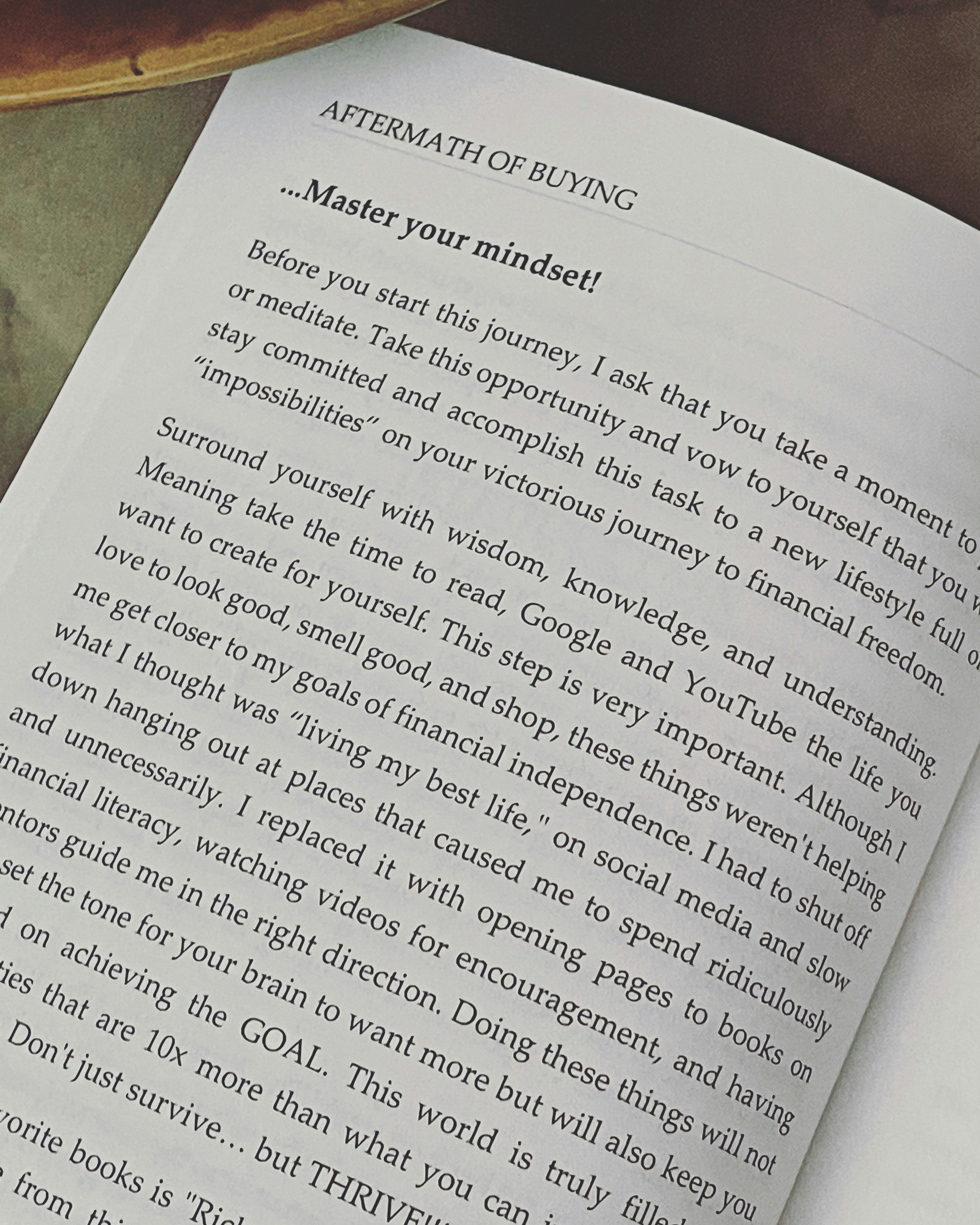

Understanding Growth Mindset vs. Fixed Mindset
A growth mindset refers to the belief that abilities and intelligence can be developed through dedication and hard work. The concepts of growth mindset and fixed mindset originate from the research conducted by psychologist Carol Dweck. This perspective fosters a love for learning and resilience in the face of challenges. Individuals with a growth mindset typically see failures as opportunities for growth and are more likely to take on new challenges, understanding that effort leads to improvement.
In contrast, a fixed mindset is characterized by the belief that abilities and intelligence are fixed, unchangeable traits. Those with a fixed mindset tend to avoid challenges, fearing that failure will expose their limitations. As a result, they may give up easily when confronted with obstacles, viewing them as endorsements of their perceived lack of ability. This mindset not only hinders personal development but also limits resilience and adaptability in various life situations.
The difference between these two mindsets has profound implications for learning and personal growth. A person with a growth mindset is more inclined to embrace challenges, persist through difficulties, and learn from constructive criticism. They are also more likely to seek help and collaboration from others, understanding that learning is a communal process. On the other hand, a fixed mindset can lead to stagnation, as individuals may refrain from pursuing new experiences due to fear of failure.
Research indicates that these mindsets can significantly influence one’s overall life experiences, shaping beliefs and attitudes towards personal achievement and growth. By recognizing the characteristics and consequences of both mindsets, individuals can take actionable steps toward fostering a growth mindset, leading to more fulfilling and successful life paths.
Recognizing Your Current Mindset
Understanding your current mindset is a crucial first step in adopting a growth mindset. Recognizing whether you lean towards a fixed mindset or a growth mindset requires introspection and self-assessment. A fixed mindset often includes beliefs that abilities and intelligence are static, whereas a growth mindset encourages the view that skills and intelligence can develop over time. To begin this self-evaluation, consider engaging in practical exercises that can illuminate your mindset patterns.
One effective method is to maintain a journal, in which you reflect on daily challenges and your responses to them. Write down instances where you encountered a setback or faced a difficult situation, and analyze your thought patterns during these moments. Did you believe that you would never improve, or did you view the challenge as an opportunity for learning? This reflective practice encourages the identification of fixed mindset tendencies, providing valuable insights into your cognitive processes.
Additionally, consider utilizing specific reflection questions to guide your assessment. Here are a few to start with:
- When you encounter a challenge, do you often feel discouraged, or do you seek strategies to overcome it?
- How do you react to constructive criticism? Do you view it as a personal attack or a chance to grow?
- When you observe others’ success, do you feel inspired, or does it fuel feelings of jealousy?
By thoughtfully answering these questions, you will clarify the tendencies of your mindset. Furthermore, sharing your insights with a trusted individual can enhance your understanding and provide external perspectives. Engaging in these exercises fosters self-awareness, a vital step in initiating meaningful change. As you recognize your current mindset, you lay the foundation for the actionable steps needed to cultivate a growth-oriented mindset.
The Importance of Embracing Challenges
Embracing challenges is a critical aspect of fostering a growth mindset. When individuals encounter difficulties, their initial reaction often leans towards avoidance or fear. However, reframing these challenges as opportunities is essential for personal growth and development. By viewing obstacles not as threats but as valuable experiences, individuals can cultivate resilience and adaptability, which are key elements in achieving long-term success.
One of the most significant benefits of embracing challenges is the learning opportunity. Each challenge faced provides a unique lesson that can enhance one’s skills and knowledge. For instance, consider a professional facing a demanding project at work. Initially, the individual may feel overwhelmed and doubt their capability to succeed. However, by taking on the challenge and seeking assistance when necessary, they not only enhance their problem-solving skills but also gain confidence in their abilities. This shift in perspective helps create a more positive outlook towards future challenges.
Moreover, stepping outside of comfort zones is paramount for cultivating a growth mindset. Engaging with discomfort may stimulate personal and professional evolution. For example, an athlete who pushes through physical pain in training often experiences improved performance and endurance. By knowingly embracing discomfort, this individual learns valuable lessons about perseverance and commitment. Additionally, such experiences can encourage one to push beyond perceived limitations, ultimately leading to greater achievements.
People often doubt their potential in the face of adversity, but it is crucial to remember that growth seldom occurs in a comfort zone. It is through the trials and tribulations that individuals can discover their true capabilities. By actively choosing to embrace challenges, one cannot only improve personal resilience but also position oneself for extensive success in various facets of life.
Cultivating a Love for Learning
Embracing a growth mindset requires a conscious effort to cultivate a love for learning. This foundational aspect not only fosters personal and professional growth but also encourages a lifelong journey of exploration and curiosity. To actively develop this enthusiasm for learning, individuals can adopt several effective strategies that reinforce the notion that knowledge acquisition is a continuous and ongoing process.
One of the primary steps to engender a love for learning is to set personal learning goals. These goals can range from acquiring new skills to exploring unfamiliar subjects. By defining clear objectives, individuals create a roadmap that guides their learning experiences. Regularly assessing progress towards these goals fosters a sense of accomplishment that motivates further engagement and exploration.
Additionally, seeking out new experiences plays a critical role in nurturing a passion for learning. Whether it involves attending workshops, enrolling in online courses, or engaging in community events, these activities expose individuals to diverse perspectives and ideas. Such interactions can spark curiosity and inspire learners to explore subjects of interest in greater depth. It is vital to recognize that each new experience presents an opportunity for growth and knowledge enhancement.
Furthermore, cultivating a curious mindset is crucial for developing a passion for learning. Curiosity-driven exploration encourages individuals to ask questions, seek answers, and challenge assumptions. By adopting a habit of inquiry, learners can uncover insights in everyday situations that otherwise might go unnoticed. This approach promotes critical thinking and creativity, both of which are key components of a growth mindset.
Incorporating these strategies into daily life not only enhances knowledge but also supports the cultivation of a growth-oriented attitude. By prioritizing learning, individuals can enjoy the process and recognize that it is a vital and enriching part of their comprehensive life journey.
Learning from Feedback and Criticism
Understanding the role of feedback and criticism in personal development is crucial for fostering a growth mindset. Rather than viewing feedback as a personal attack, it can be reframed as an opportunity for improvement. This shift in perspective leads to a more productive approach to learning. Individuals should actively seek constructive feedback from peers, mentors, or supervisors, framing their requests with specific questions about areas for improvement. For example, asking, “Can you provide insights on how I can enhance my presentation skills?” invites targeted and actionable advice.
Processing feedback effectively involves assessing both the content and the delivery. It is essential to differentiate between constructive criticism and mere negative comments. Constructive feedback is designed to help individuals grow and is delivered respectfully. Conversely, destructive criticism lacks specificity and may not be helpful. Engaging in reflective practices, such as journaling about the feedback received or discussing it with a trusted peer, can aid in processing emotions and identifying actionable steps. This act of reflection allows individuals to distill valuable lessons from criticism, facilitating a more profound educational experience.
Developing resilience in the face of criticism is equally essential. This requires a mindset that embraces challenges and views setbacks as opportunities for learning. Resilient individuals are more likely to maintain their motivation and enthusiasm when faced with negative feedback. Practicing self-compassion can help mitigate feelings of inadequacy that often accompany criticism. Acknowledging that everyone makes mistakes and experiences setbacks paves the way toward constructive personal progress.
Ultimately, cultivating an attitude that welcomes feedback fosters an environment conducive to growth. By embracing input and criticism, individuals can enhance their skills, build resilience, and ultimately transform their thinking patterns, reinforcing a commitment to continual personal development.
Setting Realistic Goals
In the journey towards fostering a growth mindset, setting realistic and attainable goals plays a crucial role. Goals act as both a compass and a motivational tool, directing our efforts and ensuring we remain focused on our development. A widely accepted method for establishing practical goals is the SMART criteria—Specific, Measurable, Achievable, Relevant, and Time-bound. By incorporating this framework, individuals can establish a structured approach to goal-setting that aligns with their personal growth journey.
To begin with, Specific goals delineate what you wish to achieve in clear terms. Instead of a vague objective such as “I want to improve my skills,” a specific goal could be “I will complete an online course in my field within three months.” This clarity enhances your focus and increases your chances of success. Next, the goals must be Measurable, allowing you to track progress. For instance, identifying milestones within your larger goal can help gauge how far you have come and how far you still need to go.
The Achievable aspect emphasizes setting challenging yet realistic goals. It’s essential to assess your current capabilities and resources to prevent setting yourself up for failure. Furthermore, Relevant goals should resonate with your broader aspirations and values, ensuring that your efforts align with your overall vision. Finally, Time-bound goals incorporate deadlines, creating a sense of urgency and accountability.
Breaking larger goals into manageable steps is also imperative. By segmenting a significant objective into smaller tasks, you can bypass feelings of overwhelm and nurture incremental progress. Such an approach not only facilitates consistent motivation but also enables regular self-reflection and adjustment. Ultimately, effective goal-setting is integral to maintaining momentum and tracking your progress, facilitating a sustainable path towards embracing a growth mindset.
Surrounding Yourself with a Growth-Minded Community
Establishing a growth-oriented mindset is significantly influenced by the people with whom you surround yourself. The social circles we engage in play a crucial role in shaping our attitudes, beliefs, and behaviors. By associating with individuals who embrace growth, you can cultivate an environment that encourages exploration, learning, and resilience. Connecting with growth-minded individuals can inspire you to challenge your limits and broaden your perspectives.
 Don’t keep this gem to yourself! Imagine the ripple effect when your post shines brightly, reaching and inspiring the audience it was meant for. By sharing it, you’re not just spreading a message; you’re creating a wave of positivity and connection that could change someone’s day—or even their life. Let’s amplify its impact together—will you share it and let it sparkle in the spotlight?
To foster supportive relationships that encourage a growth mindset, consider joining groups or organizations that align with your values and interests. Look for communities that emphasize personal development, whether through online forums, local meetups, or workshops. Engaging in activities that attract like-minded individuals can provide you with new insights and motivation. Additionally, being part of such groups can enhance your network and foster meaningful connections.
Mentorship is another effective way to build a supportive network. Seek out mentors who exemplify a growth mindset and can guide you in your personal or professional journey. Their experience and perspective can be invaluable, providing you with practical advice and strategies to cultivate your own growth-oriented approach. Do not hesitate to reach out, as many mentors appreciate the opportunity to share their knowledge and help foster new talent.
Lastly, take the initiative to network with individuals who actively share a focus on growth. Attend conferences, seminars, or workshops where you can meet thought leaders and innovators in your field. Engaging in conversations about challenges and opportunities can offer fresh perspectives and ignite your motivation. Building relationships in such settings can create a supportive community that fuels your journey towards a growth mindset.
Practicing Self-Compassion
Self-compassion plays a crucial role in cultivating a growth mindset. It refers to treating oneself with kindness and understanding in times of failure or difficulty, rather than engaging in self-criticism or judgment. Embracing self-compassion can transform how individuals respond to their setbacks, allowing them to approach challenges with a more positive and constructive attitude. By adopting this mindset, one can alleviate the pressure to be perfect and recognize that imperfections are an inherent part of the human experience.
One effective technique for practicing self-compassion involves recognizing and reframing negative self-talk. When faced with challenges, individuals often fall into a pattern of harsh inner dialogue, which can hinder their ability to overcome obstacles. Instead of saying, “I can’t believe I failed again,” a more compassionate response could be, “It’s okay to stumble; I can learn from this experience.” This shift not only uplifts one’s spirits but also reinforces the belief that growth results from learning and adapting through our mistakes.
Another valuable strategy is to cultivate a forgiving attitude towards oneself. Acknowledging that everyone makes mistakes and that failure is an integral part of the learning process can foster resilience. Individuals can benefit from reflecting on their past experiences, noting how past mistakes have contributed to their personal growth. Keeping a journal to document these thoughts can help reinforce a positive mindset, allowing individuals to track their progress and recognize their capacity for improvement.
Furthermore, utilizing positive affirmations can help individuals remind themselves of their strengths and cultivate self-compassion. Statements such as “I am capable of overcoming challenges” or “I deserve to treat myself with care” can be powerful tools in promoting a growth-oriented perspective. Regularly practicing self-compassion not only enhances emotional well-being but is essential in embracing a growth mindset, as it empowers individuals to see failures as opportunities for development rather than as setbacks.
Consistency and Patience: The Path to Mindset Change
Embracing a growth mindset is a deliberate process that necessitates both consistency and patience. As individuals embark on this transformative journey, it becomes vital to recognize that change does not occur overnight. Instead, cultivating a growth mindset is a gradual process that requires persistent effort and dedication. By consistently applying the actionable steps discussed, individuals can create a nurturing environment that supports the growth and development of their mindset. This can involve daily reflections, setting aside time for learning, and seeking out challenges that encourage mental expansion.
One effective strategy for maintaining consistency is to establish a routine. Dedicating specific times throughout the week to engage in mindset-enhancing activities, such as reading, journaling, or mentoring, can solidify a commitment to growth. This structured approach not only fosters improvement but also reinforces the importance of the journey. Moreover, integrating these practices into daily life can be achieved by incorporating small, manageable goals. Gradually taking on more complex challenges helps build resilience, a core aspect of a growth mindset.
Additionally, it is crucial to cultivate patience throughout this process. Mindset transformation is often accompanied by setbacks and obstacles, which may deter individuals from pursuing their goals. However, celebrating small victories can serve as a motivating reminder of the progress that has been made. Acknowledging achievements, no matter how minor, encourages perseverance and reinforces the belief that growth is attainable. Ultimately, individuals who persist through challenges with patience, coupled with a consistent application of growth-oriented strategies, will find their mindset to evolve significantly. Through commitment and resilience, the journey toward a growth mindset becomes a meaningful and achievable reality.

Discover more from Unlock Happiness: Health + Wealth Mastery
Subscribe to get the latest posts sent to your email.