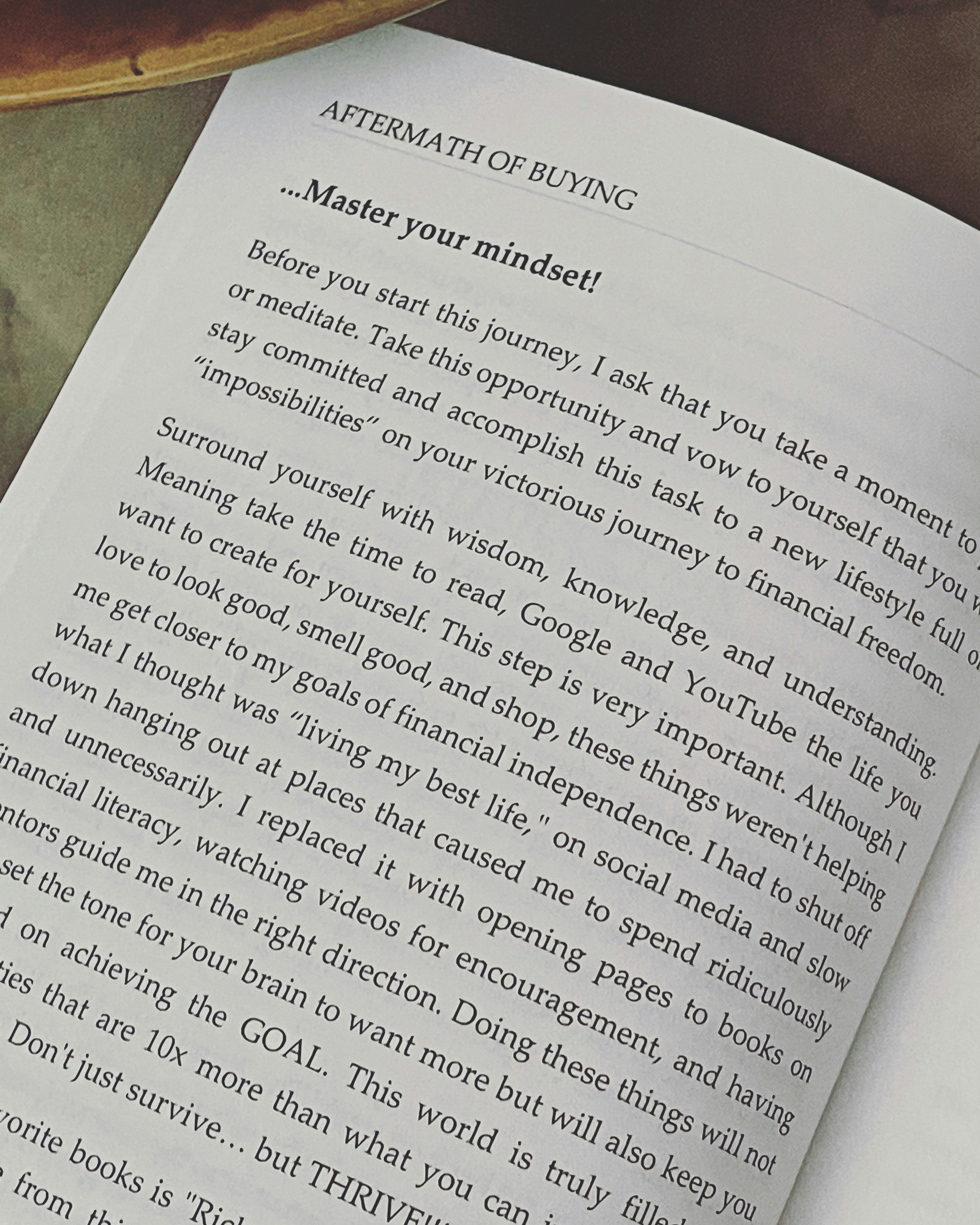


Understanding Growth Mindset
A growth mindset is a psychological concept that reflects the belief that skills and intelligence can be developed over time through dedication and effort. In contrast, a fixed mindset suggests that individuals possess a set amount of intelligence and abilities that do not change. This distinction is essential as it influences how people respond to challenges, setbacks, and opportunities for growth. For adults over 40, transitioning into new phases of life often requires the ability to adapt and learn, making the adoption of a growth mindset particularly advantageous.
Scientific research underscores the importance of a growth mindset, illustrating its correlation with resilience and lifelong learning. Studies have shown that individuals with a growth mindset are more likely to embrace challenges instead of avoiding them, perceive failures as opportunities for improvement, and persist in the face of obstacles. This adaptability is crucial for adults over 40, who may encounter significant life changes such as career shifts, relationship changes, or health-related challenges. By fostering a growth mindset, individuals can better navigate these transitions and enhance their overall quality of life.
The psychological benefits of embracing a growth mindset extend beyond individual development; they also positively impact interpersonal relationships. Individuals are often more open to collaboration and constructive feedback when they believe in their ability to grow. This perspective facilitates stronger connections with others, leading to a supportive community that encourages continued learning and development. For adults entering a new chapter of life, cultivating a growth mindset can not only foster personal advancement but also strengthen social bonds and create a supportive network.
Reframing Challenges
Life’s challenges often present themselves as daunting obstacles, especially for adults over 40 who may encounter significant transitions in their careers, health, or personal lives. However, reframing these challenges can transform them into opportunities for growth and development. This shift in perspective is essential for fostering a growth mindset, which promotes resilience and innovative problem-solving.
One effective technique to reframe challenges involves identifying the potential benefits hidden within an obstacle. For instance, consider a job loss. While it may initially seem like a setback, it can also serve as an opportunity to explore new career paths or pursue long-held passions that may have been sidelined. By focusing on the possibilities rather than the restrictions, individuals can cultivate a more optimistic perspective that fuels personal and professional growth.
Another practical strategy is to break down considerable challenges into smaller, manageable steps. This method allows adults over 40 to tackle issues methodically, reducing feelings of overwhelm. For example, if someone is facing health concerns, they might see this as a chance to adopt a healthier lifestyle or prioritize self-care. Setting incremental goals fosters a sense of achievement, reinforcing the belief that progress is achievable, no matter the circumstances.
Additionally, surrounding oneself with a supportive community can aid in reframing challenges. Sharing experiences with like-minded individuals can cultivate a collective mindset geared toward growth. Discussing setbacks candidly often leads to collaborative problem-solving, where members can draw on one another’s insights to overcome barriers.
Ultimately, by recognizing challenges as opportunities for growth, adults over 40 can create a new narrative for themselves—one that celebrates resilience and embraces change. This reframing process not only nurtures an individual’s self-efficacy but also enhances their quality of life.
Embracing Feedback
Feedback plays a pivotal role in personal and professional development, especially for adults over 40 who are looking to adopt a growth mindset. This transformative approach encourages individuals to view feedback not as criticism, but as a fundamental component for improvement and self-discovery. The ability to accept feedback graciously and utilize it constructively can significantly enhance one’s skills and capabilities.
To effectively embrace feedback, consider implementing actionable strategies that can turn potential criticism into a platform for growth. First, cultivate a receptive mindset where you view feedback as a gift that provides insights into your strengths and areas needing enhancement. Practice active listening during feedback sessions; this involves giving full attention to the speaker, refraining from defensive reactions, and asking clarifying questions to understand their perspective better.
Next, reflect on the feedback received. Take the time to analyze the comments and consider how they align with your personal goals. Create a feedback journal to document your insights, reactions, and thoughts on the feedback, along with an improvement plan. This written record can serve as a roadmap for your development and a source of motivation.
Additionally, seeking feedback from multiple sources, such as colleagues, mentors, or friends, can provide a rounded understanding of your performance. When possible, request specific examples to grasp the context of the feedback better. For instance, instead of receiving a vague suggestion to “be more confident,” concrete feedback like “I noticed you hesitated during your presentation” provides an actionable area to work on.
Real-life examples illustrate the immense benefits of embracing feedback. For instance, many successful professionals attribute their continuous growth to soliciting constructive criticism from peers. By actively addressing and integrating feedback, they have achieved significant milestones in their careers, demonstrating that a commitment to improvement is essential for ongoing success. Ultimately, the willingness to embrace feedback is a foundational element of a growth mindset that leads to personal enhancement.
Building Daily Habits for Growth
Incorporating daily habits that promote a growth mindset is essential, particularly for adults over 40 who may be navigating significant life transitions. Establishing a framework of consistent routines can foster both curiosity and confidence, allowing individuals to open themselves up to new learning experiences.
One effective practice is the implementation of a daily reflection journal. Setting aside just a few minutes each day to jot down thoughts, reflections, and observations encourages greater self-awareness. By articulating daily experiences, individuals can identify areas for growth and recognize their progress over time, enhancing their overall mindset.
Another practical exercise is to dedicate time each day to learning something new. This could involve reading an article, attending an online seminar, or exploring a new hobby. By immersing oneself in new knowledge or skills regularly, adults can cultivate a sense of curiosity that is fundamental for growth. It is crucial to choose topics that genuinely interest them, as this will promote sustained engagement.
A further helpful habit is creating a supportive social network. Engaging with like-minded individuals who share similar aspirations can provide encouragement and accountability. Setting a goal to meet or communicate with a growth-oriented friend weekly allows for sharing insights and motivational experiences, reinforcing a positive environment conducive to growth.
Lastly, setting realistic and attainable goals is crucial. Adults should focus on breaking down larger objectives into smaller, manageable tasks that can be achieved daily or weekly. This approach not only provides a clear pathway towards personal development but also instills a sense of accomplishment as each step is completed, further nurturing a growth mindset.
Integrating these habits into daily life may require commitment and patience initially, yet over time, they can significantly enhance one’s overall attitude towards learning and self-improvement.
Cultivating Curiosity
Curiosity serves as a powerful catalyst for growth and learning, particularly for adults over 40 who may experience career stagnation or a sense of routine in their personal lives. Embracing curiosity not only enhances cognitive functioning but also fosters resilience and adaptability amidst life’s changes. A curious mindset encourages individuals to explore new ideas, engage in lifelong learning, and seek out novel experiences, bolstering both personal fulfillment and professional advancement.
One effective strategy to cultivate curiosity is to adopt an open-minded approach to daily activities. Adults can begin by questioning the status quo. For instance, rather than following the same morning routine every day, one might experiment with different workouts, read varied genres during leisure time, or explore unfamiliar cuisines. These slight deviations can ignite a sense of wonder and lead to the discovery of new interests. Attending workshops, enrolling in classes, or joining discussion groups can further stimulate the desire to learn and expand one’s horizons.
Another way to cultivate a curious mindset is to practice active listening and engage in meaningful conversations. By asking open-ended questions and showing genuine interest in others’ perspectives, adults can develop deeper connections and inspire their own curiosity about unfamiliar topics. Embracing challenges, such as tackling a new hobby or volunteering in a different capacity, can also serve as avenues for exploration and personal growth.
Technology can enhance curiosity, as well. Utilizing online resources such as podcasts, webinars, and educational platforms allows individuals to dive into various subjects and learn at their own pace. These tools help break down barriers often posed by traditional learning environments and enable adults to pursue their interests more flexibly. Through the continuous pursuit of knowledge and new experiences, individuals can enrich their lives, promoting a growth mindset that thrives on curiosity.
Turning Setbacks into Growth Opportunities
As we navigate through life, particularly after the age of 40, everyone inevitably encounters setbacks. These challenges, whether personal or professional, can often be perceived as failures. However, adopting a growth mindset involves transforming these setbacks into valuable growth opportunities. This perspective shift enables individuals to embrace resilience, drawing upon their experiences to foster personal development.
To effectively turn setbacks into opportunities for learning, it is essential first to engage in reflective practices. Taking the time to analyze what went wrong in a situation allows for a deeper understanding of the factors that led to the setback. For instance, consider the case of a professional whose project was unexpectedly derailed. Instead of viewing this as a definitive failure, they took a step back, evaluated their approach, and identified key areas for improvement. This self-evaluation is the first critical step toward evolving one’s mindset.
Furthermore, framing setbacks as essential elements of the learning process fosters empowerment. Each challenge provides an opportunity to acquire new skills and develop coping strategies that contribute to future success. A notable example can be found in the story of a woman who, after losing her job, decided to pursue her passion for writing. She used the experience of unemployment as a catalyst for professional re-invention, ultimately discovering a career that brought her fulfillment and growth.
 Don’t keep this gem to yourself! Imagine the ripple effect when your post shines brightly, reaching and inspiring the audience it was meant for. By sharing it, you’re not just spreading a message; you’re creating a wave of positivity and connection that could change someone’s day—or even their life. Let’s amplify its impact together—will you share it and let it sparkle in the spotlight?
Additionally, sharing experiences with others can enhance this transformational process. Engaging in discussions with peers or mentors allows for the exchange of supportive insights and different perspectives. Social connections can be essential in reinforcing the idea that setbacks are not definitive, but rather stepping stones on the path to success. Adopting this mindset leads not only to personal growth but also to a more profound sense of community and understanding.
In essence, the journey toward turning setbacks into growth opportunities is pivotal for those over 40. By reframing challenges and learning actively from experiences, individuals can cultivate resilience and empower themselves for future endeavors.
Navigating Career Transitions
As individuals over 40 often face significant career transitions, it becomes imperative to approach these changes with a growth mindset. This perspective emphasizes the belief that abilities and intelligence can be developed through dedication and hard work. Therefore, reassessing career goals is a crucial first step in this journey. One must reflect on previous experiences, evaluate what has been fulfilling, and identify aspirations that align with personal values and lifestyles.
After evaluating these objectives, the next phase involves identifying transferable skills. These are abilities that can be applied across various job roles and industries, making it easier to pivot into a new career. Skills such as leadership, communication, project management, and critical thinking are universally valuable and often sought after by employers. Conducting a skills inventory can help in recognizing these competencies and matching them with potential job markets.
Recognizing opportunities in the current job landscape is essential for successful transitions. Networking can play a pivotal role in uncovering these avenues; engaging with professional groups, online platforms, and past colleagues can lead to insights into emerging industries and roles. Furthermore, investing time in continuous education – be it via online courses, certifications, or seminars – not only strengthens skill sets but also demonstrates a commitment to growth and adaptability, which are attractive traits for employers.
Emphasizing a growth mindset during this transitional phase encourages resilience and optimism. While change may initially be daunting, perceiving it as an opportunity for personal and professional development can lead to fulfilling new career pathways. By approaching these transitions strategically and positively, adults over 40 can navigate the complexities of career changes effectively and thrive in their evolving professional landscape.
Health Shifts and Growth Mindset
As individuals enter their 40s and beyond, it is not uncommon to experience various health changes. These transitions, whether related to physical fitness, nutrition, or mental health, can initially appear daunting. However, adopting a growth mindset in response to these changes can turn potential setbacks into opportunities for enhanced well-being and personal development. A growth mindset entails viewing challenges as chances to learn and grow, thereby empowering individuals to navigate health shifts with resilience and positivity.
One of the most effective strategies for embracing a growth mindset is to maintain an active lifestyle. Regular physical activity not only aids in managing weight but also contributes positively to mental health. Engaging in exercises tailored to one’s ability—such as walking, cycling, or swimming—can foster self-efficacy and provide a sense of accomplishment. Additionally, exploring new forms of exercise can create excitement and motivation, reinforcing the notion that health transformation can be a journey filled with learning and exploration.
Nourishing the body through informed nutritional choices is equally important. Learning about nutrition equips individuals to make better dietary decisions that support their health objectives. Rather than viewing dietary restrictions as limitations, one can approach them as an opportunity to discover new, wholesome foods and cooking methods. Adopting a curious mindset encourages the exploration of various cuisines and ingredients, fostering an enjoyable relationship with food that prioritizes well-being.
Moreover, mental well-being practices, such as mindfulness, meditation, or journaling, are essential components of a growth mindset. By dedicating time to reflect on emotions and stressors, individuals can better manage their mental health and improve resilience. These practices provide tools to acknowledge health changes without becoming overwhelmed, enabling one to shape their response actively. By consciously engaging in these strategies, adults over 40 can turn health shifts into catalysts for profound personal growth and empowerment.
Conclusion: The Potential for Change at Any Age
In reflecting on the journey towards adopting a growth mindset, it is essential to recognize that change is not bound by age. Throughout this guide, we have explored the foundational elements of a growth mindset, focusing on the belief that abilities and intelligence can be developed through dedication and hard work. This perspective fosters resilience, encourages learning from failures, and promotes continuous personal growth, making it particularly relevant for adults over 40 who may feel the weight of limitations imposed by society or even by themselves.
Success stories abound, illustrating that individuals over the age of 40 can indeed embark on remarkable transformations. For instance, many have taken up new careers, pursued higher education, or even started entirely new enterprises, defying stereotypes associated with aging. These real-life examples serve as powerful reminders that a growth mindset can help unlock potential previously thought unattainable. The common thread among these individuals is their commitment to lifelong learning and self-improvement, exemplifying the principle that it is never too late to foster change.
As adults navigate the complexities of midlife, it becomes increasingly crucial to shift from a fixed mindset, which may perceive challenges as insurmountable, to a growth mindset that embraces opportunities for learning and development. This shift not only enhances personal satisfaction and fulfillment but also contributes positively to mental health and well-being.
Encouraging readers to take actionable steps is paramount. Whether it involves setting new goals, seeking out mentorship, or cultivating new interests, every step taken towards embracing a growth mindset can lead to profound personal transformation. Ultimately, the potential for change resides within each individual, emphasizing that age should never be viewed as a barrier to personal growth and lifelong learning.
Discover more from Unlock Happiness: Health + Wealth Mastery
Subscribe to get the latest posts sent to your email.