Understanding the Digital Nomad Lifestyle
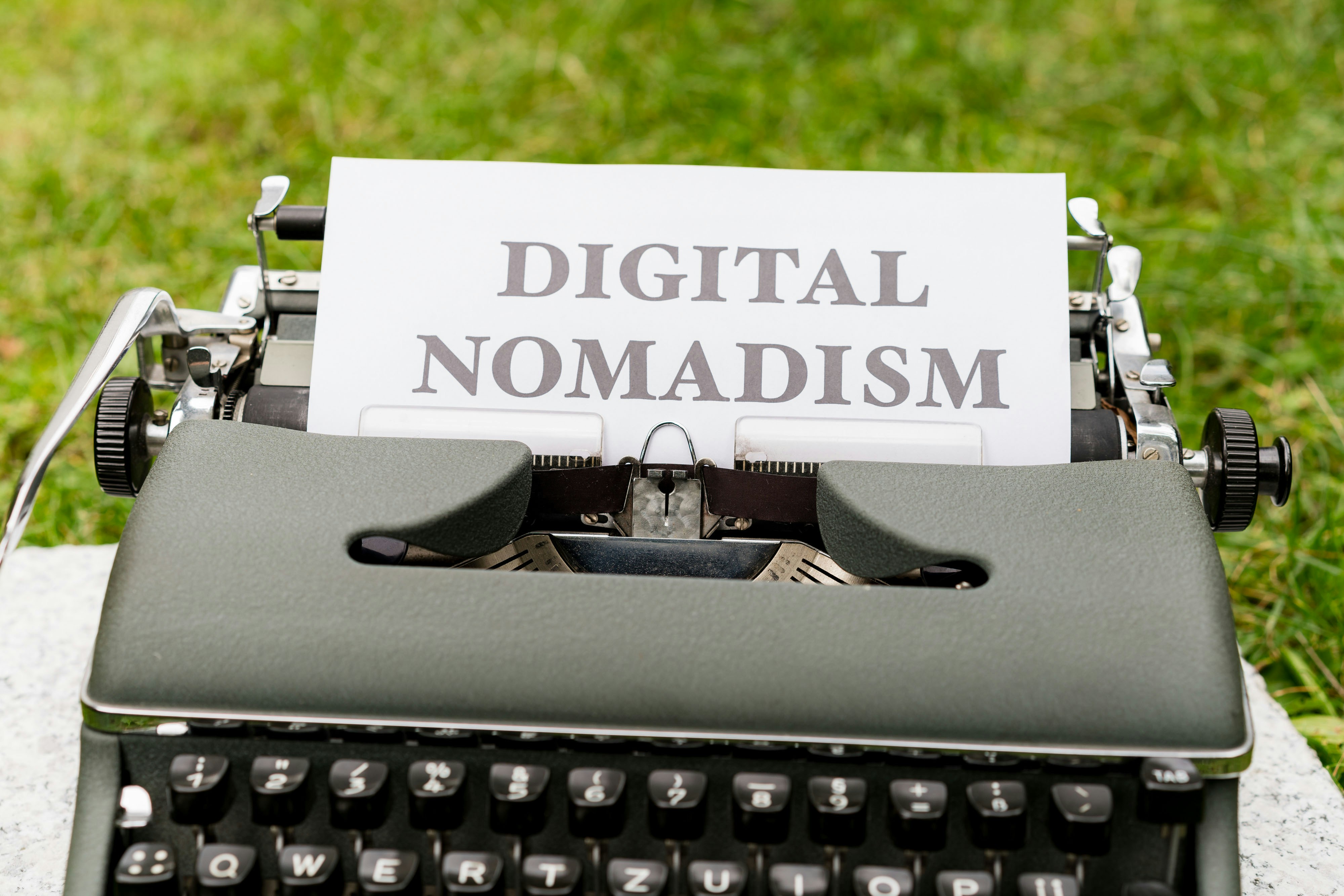
The digital nomad lifestyle epitomizes a flexible way of living that allows individuals to work remotely while exploring various destinations. This dynamic lifestyle is characterized by the freedom to choose work and travel locations, enabling digital nomads to experience diverse cultures and environments. The rise of technology has made it feasible for individuals to operate their online businesses from virtually anywhere, fostering an unprecedented level of autonomy in both professional and personal lives.
Types of online businesses that align seamlessly with a nomadic lifestyle include freelancing, e-commerce, and remote work opportunities. Freelancing provides the flexibility to take on projects that resonate with one’s interests and skills, thus allowing digital nomads to curate a portfolio that reflects their expertise. E-commerce businesses, ranging from dropshipping to digital product sales, can be managed remotely, requiring a laptop and a reliable internet connection. Furthermore, remote work opportunities with established companies can offer stability while allowing travel, appealing to those who prefer a structured environment alongside their wandering spirit.
However, being a digital nomad is not without its challenges. Time zone differences complicate communication and collaboration with clients or teams, necessitating careful scheduling and management. Reliable internet connectivity is fundamental for operating online businesses and may sometimes present difficulties when traveling to remote areas or countries with less-developed infrastructure. Additionally, self-discipline is critical; maintaining productivity outside a conventional office environment can be challenging, requiring individuals to cultivate habits that foster focus and efficiency. Understanding these elements is essential for those looking to thrive in the digital nomad lifestyle.
Choosing the Right Business Model
When embarking on the journey of building an online business while traveling, digital nomads must select a suitable business model. Several factors, such as scalability, initial investment, and the level of ongoing management required, can influence the venture’s success and sustainability.
One popular option for digital nomads is creating online courses. This model not only allows for the sharing of knowledge in a specific field but also provides a scalable revenue stream. Once the course is developed, it can be sold to unlimited students without significant additional effort. Moreover, if the course aligns with personal expertise or passion, it can lead to financial and personal satisfaction.
Another viable option is affiliate marketing, which involves promoting third-party products or services and earning a commission for each sale made through one’s referral. This model requires minimal initial investment and can often be managed from anywhere with an internet connection. However, it necessitates a strong understanding of audience targeting and marketing strategies to ensure that promotions resonate with potential customers.
Dropshipping is also an attractive business model for digital nomads, allowing entrepreneurs to sell products without holding inventory. The initial investment is relatively low compared to traditional retail. The key here is to find reliable suppliers and manage the online store effectively to maximize sales. However, this model still requires ongoing management to handle customer service and inventory issues.
Lastly, consulting services might appeal to those with expertise in specific industries. This model allows for flexible engagement and can often command premium rates based on the consultant’s qualifications and experience. Aligning any business model with personal skills and interests is crucial, as it enhances the likelihood of sustained effort and enjoyment in the chosen venture.
Essential Tools and Resources for Remote Work
To successfully build and manage an online business while traveling, digital nomads must utilize practical tools and resources that streamline workflow and enhance collaboration. Various software solutions have emerged to facilitate project management, communication, financial tracking, and data storage tasks.
Project management tools, such as Asana, Trello, or Monday.com, are crucial for organizing tasks and projects. These platforms allow teams to assign responsibilities, set deadlines, and track progress in real-time, making it easier to manage work from any location. With features that support collaboration, they can accommodate team members across different time zones, ensuring that everyone stays aligned regardless of their physical location.
Effective communication is another vital aspect of remote work. Tools like Slack and Microsoft Teams provide instant messaging, video calls, and file sharing capabilities, ensuring that teams communicate clearly and promptly. These platforms foster team cohesiveness and allow for quick discussions that can lead to timely decision-making, ultimately keeping the workflow uninterrupted even while moving.
Cloud storage solutions like Google Drive, Dropbox, or OneDrive are significant in storing and providing easy document access. They provide secure storage options and allow users to access files from anywhere, facilitating seamless collaboration on documents and presentations. This flexibility ensures that crucial business materials are readily available regardless of the digital nomad’s location.
Lastly, managing finances while traveling requires specialized apps. Tools like QuickBooks, Wave, or Expensify can streamline financial tasks by allowing digital nomads to easily track expenses, send invoices, and manage tax obligations. These applications provide insight into financial health, ensuring business operations remain sustainable even in diverse locales.
Tips for Balancing Work and Travel
Maintaining a healthy balance between work and travel is essential for digital nomads seeking to enjoy their journey while fulfilling their business responsibilities. One effective strategy is to set clear boundaries around work hours. Establish a specific time each day dedicated solely to work tasks. Doing so creates a sense of structure that helps manage your time efficiently. A consistent schedule can enhance productivity and ensure that work does not encroach on your travel experiences.
 Don’t keep this gem to yourself! Imagine the ripple effect when your post shines brightly, reaching and inspiring the audience it was meant for. By sharing it, you’re not just spreading a message; you’re creating a wave of positivity and connection that could change someone’s day—or even their life. Let’s amplify its impact together—will you share it and let it sparkle in the spotlight?
Designating specific workspaces while traveling is another key factor in achieving balance. Whether you are in a café, co-working space, or a quiet corner in your accommodation, having a defined area for work can help psychologically separate your professional life from leisure activities. Ensure this workspace is equipped with all necessary tools, such as a reliable internet connection and adequate lighting, to facilitate an optimal work environment.
Staying productive and motivated during travel can be challenging. To combat this, integrate leisure activities into your weekly schedule. Plan cultural experiences, explore local attractions, or engage in recreational pursuits during breaks between work sessions. This approach enriches your travel experience and rejuvenates your mind, allowing for improved focus when it is time to work.
Moreover, prioritize self-care and downtime. Listening to your body and mind is crucial, especially in a dynamic travel setting. Embrace routines that promote mental well-being, such as meditation or physical exercise, and allocate time to relax and recharge. By ensuring a balanced lifestyle encompassing work and leisure, you can successfully manage your professional obligations while savoring travel’s unique experiences.


Discover more from Unlock Happiness: Health + Wealth Mastery
Subscribe to get the latest posts sent to your email.