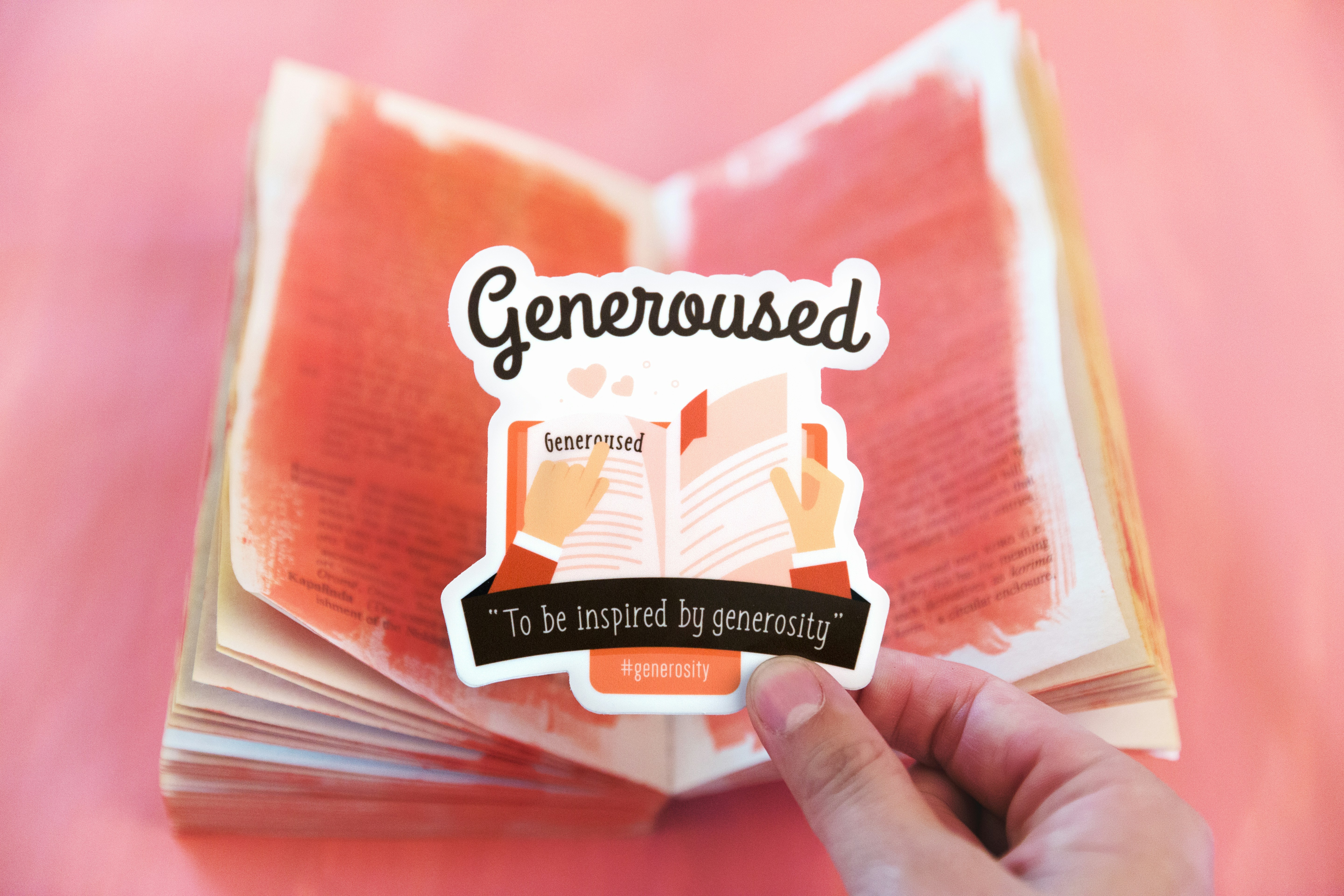
Introduction to Giving
Giving is a multifaceted concept that encompasses the willingness to give time, resources, or support to others without expecting anything in return. It is often characterized by acts of kindness, philanthropy, and altruism, reflecting a deep-seated value present in many cultures and societies. The significance of generosity extends beyond mere charitable acts; it is rooted in the belief that human connections and relationships are essential for emotional and social well-being.
In various cultural contexts, generosity is celebrated as a virtue, showcasing the idea that the act of giving strengthens bonds among individuals and communities. For instance, many religious traditions emphasize the importance of generosity, with teachings that encourage followers to share their wealth and talents to improve the lives of those less fortunate. The enduring significance of generosity is evident in various practices, such as communal sharing, tithing, and volunteering, which shape societal norms and expectations around interpersonal relationships.
While generosity is often regarded as a selfless act directed towards others, an emerging perspective recognizes that the benefits of giving extend beyond the recipient alone. Research indicates that engaging in generous behavior yields emotional and psychological benefits for the giver, including increased happiness, a sense of fulfillment, and enhanced overall well-being. Thus, generosity serves a dual purpose: it not only aids the recipient but also enriches the giver’s life through meaningful interactions, enhanced social networks, and the development of empathy.
By examining the intricate relationship between giving and receiving, this exploration intends to challenge conventional beliefs and highlight the dual nature of generosity as a transformative force that positively influences individuals and their communities. Through this analysis, we can appreciate how generosity fosters a culture of support and interconnectedness, benefiting both the giver and the recipient in profound ways.
Psychological Benefits for the Giver
Generosity has profound psychological benefits for individuals engaging in acts of giving. Beyond the immediate impact on the recipient, the act of giving primarily enhances the mental and emotional well-being of the giver. One of the most notable effects is the phenomenon known as the “helper’s high.” This term refers to the rush of positive feelings that often accompanies generous acts. When individuals give, their bodies release endorphins, which are chemicals in the brain that promote feelings of pleasure and happiness.
The act of giving also significantly contributes to reducing stress and anxiety. Engaging in altruistic behavior often helps distract from personal worries and fears, allowing individuals to focus on the broader community. This shift in focus can lead to improved mental health and a reduced likelihood of experiencing distress. Numerous studies have found that individuals who regularly engage in acts of kindness report feeling less anxious and more content in their day-to-day lives. The social connections formed through giving further enhance this sense of belonging and emotional satisfaction.
Moreover, acts of generosity can augment life satisfaction. Research indicates that people who frequently engage in giving tend to report higher levels of happiness and fulfillment. This may stem from an inherent sense of purpose and achievement derived from contributing to the well-being of others. Generosity enriches one’s life narrative, allowing the giver to perceive themselves as positive agents of change. Anecdotal evidence supports this; many individuals recall transformative moments in their lives that are tied to their capacity to help others, reinforcing their self-worth and enhancing their overall life perspective.
Through these psychological advantages, it is clear that giving is a powerful tool for enhancing one’s mental health, fostering a greater sense of joy, emotional stability, and overall life fulfillment.
Building Relationships Through Generosity
Generosity plays a crucial role in fostering strong relationships between individuals. When one person acts with kindness, whether through small gestures or significant contributions, it creates a ripple effect that generates trust and empathy. These acts empower individuals to connect on a deeper level, transforming mere acquaintances into confidants and allies.
The essence of generosity lies in its ability to break down barriers and cultivate a sense of belonging. When individuals offer support, share resources, or lend a listening ear, it enhances their mutual understanding and fosters a deeper connection. This shared experience not only enriches the relationship but also encourages openness, allowing both parties to express their needs and vulnerabilities without fear of judgment. The empathetic connections formed through generosity facilitate a collaborative environment where individuals feel valued and respected.
Reciprocity is an essential aspect of relationship-building, particularly in the context of generosity. When one individual extends kindness, it creates an implicit expectation for a similar response, promoting a cycle of giving and receiving. This reciprocal dynamic strengthens the bonds between individuals, highlighting the importance of maintaining a supportive network. Every act of generosity has the potential to inspire others to contribute and participate, ultimately fostering a community founded on mutual support and cooperation.
The generative acts of kindness not only nourish individual relationships but also extend to the broader community. As people observe acts of generosity, they are often inspired to engage in similar behaviors themselves, fostering a culture of giving that can have a transformative impact. Ultimately, by embracing generosity in our interactions, we create a foundation for strong, healthy relationships and a cohesive, supportive community.
The Impact of Generosity on Community and Society
The act of generosity extends beyond individual exchanges; it plays a crucial role in shaping communities and societies as a whole. When individuals engage in acts of kindness or contribute resources to those in need, they foster a culture of giving that can inspire others to follow suit. This ripple effect leads to enhanced community well-being, as shared acts of generosity create networks of support and solidarity among members. As people witness the positive impact of giving, they may be motivated to contribute in their own ways, effectively multiplying the benefits within the community.
Generosity can manifest in various forms, from volunteer work that supports local charities to financial contributions aimed at addressing pressing social issues. Community initiatives, such as food drives, educational programs, and mental health support, not only assist those in need but also foster social cohesion by bringing individuals together for a common purpose. Such collective efforts help to nurture a sense of belonging, allowing diverse members of society to identify with one another and create lasting relationships. This connection is fundamental in fostering a resilient community capable of facing challenges together.
The Reciprocity of Generosity: Benefits for the Recipient
The act of receiving generosity can have profound and far-reaching effects on individuals, positively influencing their emotional and practical well-being. When a recipient encounters acts of kindness or support, it can lead to potent feelings of gratitude. This gratitude not only fosters a sense of appreciation for the giver but also reinforces the recipient’s belief in the goodness of others. Acknowledging the generosity of others generates a ripple effect, creating an environment where kindness is recognized and valued. As individuals feel more gratitude, they often experience a boost in their overall emotional state, contributing to improved mental health and personal satisfaction.
Moreover, receiving support can enhance a recipient’s self-worth and self-esteem. When individuals are the beneficiaries of generosity, particularly in times of need, they may feel valued and acknowledged by their community. For many, this validation can catalyze personal growth, encouraging them to strive for their goals. Rather than feeling isolated or marginalized, recipients find a sense of belonging and purpose through the support they receive. This newfound self-worth, in turn, can motivate them to pay it forward, perpetuating the cycle of generosity.
Additionally, the practical benefits of receiving generosity cannot be overlooked. Whether it’s financial aid, emotional support, or mentorship, such assistance can have a profoundly significant impact on an individual’s life trajectory. For instance, access to resources provided by generous individuals can lead to opportunities that may not have been otherwise available, influencing career paths, educational pursuits, and personal development. This, in effect, shapes the recipient’s willingness to give back to others in similar situations, reinforcing the interconnectedness of generosity within communities. The cycle continues, illustrating that the benefits of generosity extend not only to the giver but also profoundly enrich the recipient.
 Don’t keep this gem to yourself! Imagine the ripple effect when your post shines brightly, reaching and inspiring the audience it was meant for. By sharing it, you’re not just spreading a message; you’re creating a wave of positivity and connection that could change someone’s day—or even their life. Let’s amplify its impact together—will you share it and let it sparkle in the spotlight?
Generosity in Different Cultures
Generosity manifests in a multitude of forms across various cultures, offering a rich tapestry of how societies perceive and practice giving. In many cultures, the act of giving is deeply rooted in tradition and is often seen as a moral obligation. For example, in Islamic culture, almsgiving, also known as Zakat, is one of the Five Pillars of Islam. Muslims are required to give a portion of their wealth to those in need, reiterating the importance of community support and social responsibility. This tradition reinforces the notion that generosity extends beyond individual charity, cultivating a collective welfare ethos that promotes social equity.
Similarly, in East Asian cultures, concepts such as Confucianism stress the value of reciprocity and responsibility towards one’s family and society. Acts of generosity, such as offering food or gifts during festivals, are considered essential to fostering relationships and maintaining harmony. These practices reflect a societal obligation to care for relatives, neighbors, and the less fortunate, strengthening communal bonds.
In many Indigenous cultures, generosity is often exhibited through communal sharing and resource allocation. These societies understand that survival depends on cooperation, thus promoting collective ownership of resources. Events such as potlatches among Native American tribes, where wealth is redistributed through gift-giving, exhibit the profound significance of generosity. This form of sharing serves not only to redistribute resources but also to reinforce social relationships and community identity.
Overall, while the methods and motivations behind generosity may differ from one culture to another, the universal values of compassion and support remain consistent. The diverse cultural expressions of generosity underscore the importance of giving as a means to strengthen social bonds and foster mutual well-being worldwide.
Overcoming Barriers to Generosity
Various obstacles may prevent individuals from embracing a generous lifestyle. One prevalent barrier is the scarcity mindset, which fosters a belief that resources are limited. This perception can create anxiety around sharing, as people may worry that their own needs will not be met. To combat this mindset, it is essential to cultivate an abundance perspective. Engaging in regular practices that emphasize gratitude can encourage a broader outlook on the resources available to us, fostering the understanding that by giving, we can also receive in various forms.
Fear of vulnerability can also hinder generosity. When individuals hesitate to give, it often stems from a concern about being judged, rejected, or taken advantage of. Building emotional resilience can be an effective strategy to tackle this barrier. By recognizing that vulnerability can foster deeper connections, individuals can view generosity as an opportunity to strengthen relationships rather than a risk. Encouraging open communication about intentions when giving can alleviate fears and create an environment where generosity is appreciated and valued.
Additionally, a perceived lack of resources may deter potential givers. Individuals often think that generosity requires significant financial contributions or substantial time investments. However, this perception can be reframed by recognizing that acts of generosity can take many forms, including volunteering time, sharing knowledge, or offering emotional support. To overcome this hurdle, individuals should seek opportunities to give based on their unique strengths and circumstances, highlighting that even small, consistent acts of kindness can create a substantial positive impact.
Incorporating these strategies into daily life can foster a more generous outlook, paving the way for mutual benefits between the giver and the recipient. By addressing the barriers that thwart generosity, individuals can experience the profound joys that come from giving. These practices can lead to richer, more fulfilling relationships and a greater sense of community.
Practical Ways to Cultivate Generosity
In our fast-paced world, incorporating generosity into daily life may seem like a daunting task; however, there are practical approaches that can seamlessly weave acts of kindness into one’s routine. An effective way to cultivate a spirit of giving is through volunteering. Whether it is dedicating time to local shelters, participating in community clean-up events, or assisting at food banks, volunteering allows individuals to directly impact their communities while fostering a sense of connection and fulfillment.
Another accessible method to promote generosity is by engaging in random acts of kindness. These acts can range from simple gestures, such as offering compliments, holding doors, or helping someone carry groceries, to more structured approaches like paying for a stranger’s coffee. Such spontaneous acts not only bring joy to recipients but also invigorate the giver, thereby enhancing emotional well-being.
Fostering a giving mindset is essential for cultivating long-term generosity. This entails shifting one’s perspective to recognize the value of generosity in personal and societal contexts. Individuals can practice gratitude by reflecting on their own blessings and considering how they can share those with others. Keeping a gratitude journal can serve as a tangible reminder of the positive aspects of life, prompting an inclination to give back.
Furthermore, creating a personal giving plan is a practical step towards generativity. This can involve setting goals for charitable donations, whether in terms of financial support or time commitment, and identifying organizations that align with personal values and interests. By establishing clear intentions and a framework for giving, individuals are more likely to follow through on their commitments to generosity.
By adopting these strategies, one not only enhances the lives of others but also experiences profound personal growth, reinforcing the mutually beneficial nature of generosity.
Conclusion: The Lasting Impact of Generosity
In examining the mutually beneficial effects of generosity, it becomes clear that the act of giving holds profound significance for both the giver and the recipient. This blog post has outlined that generosity goes beyond mere financial contributions; it encompasses a wide array of acts, from volunteering time and offering emotional support to sharing knowledge and resources. Each of these acts fosters a sense of community, strengthens relationships, and contributes to individual well-being.
The benefits of generosity for the giver are extensive. Engaging in altruistic behavior has been shown to increase happiness and life satisfaction. Givers often experience a release of endorphins, associated with the so-called “helper’s high.” Moreover, participating in acts of kindness can lead to a healthier lifestyle and a longer lifespan. This virtuous cycle enhances not only personal fulfillment but also positively impacts social connections, thereby fostering a supportive network.

Discover more from Unlock Happiness: Health + Wealth Mastery
Subscribe to get the latest posts sent to your email.