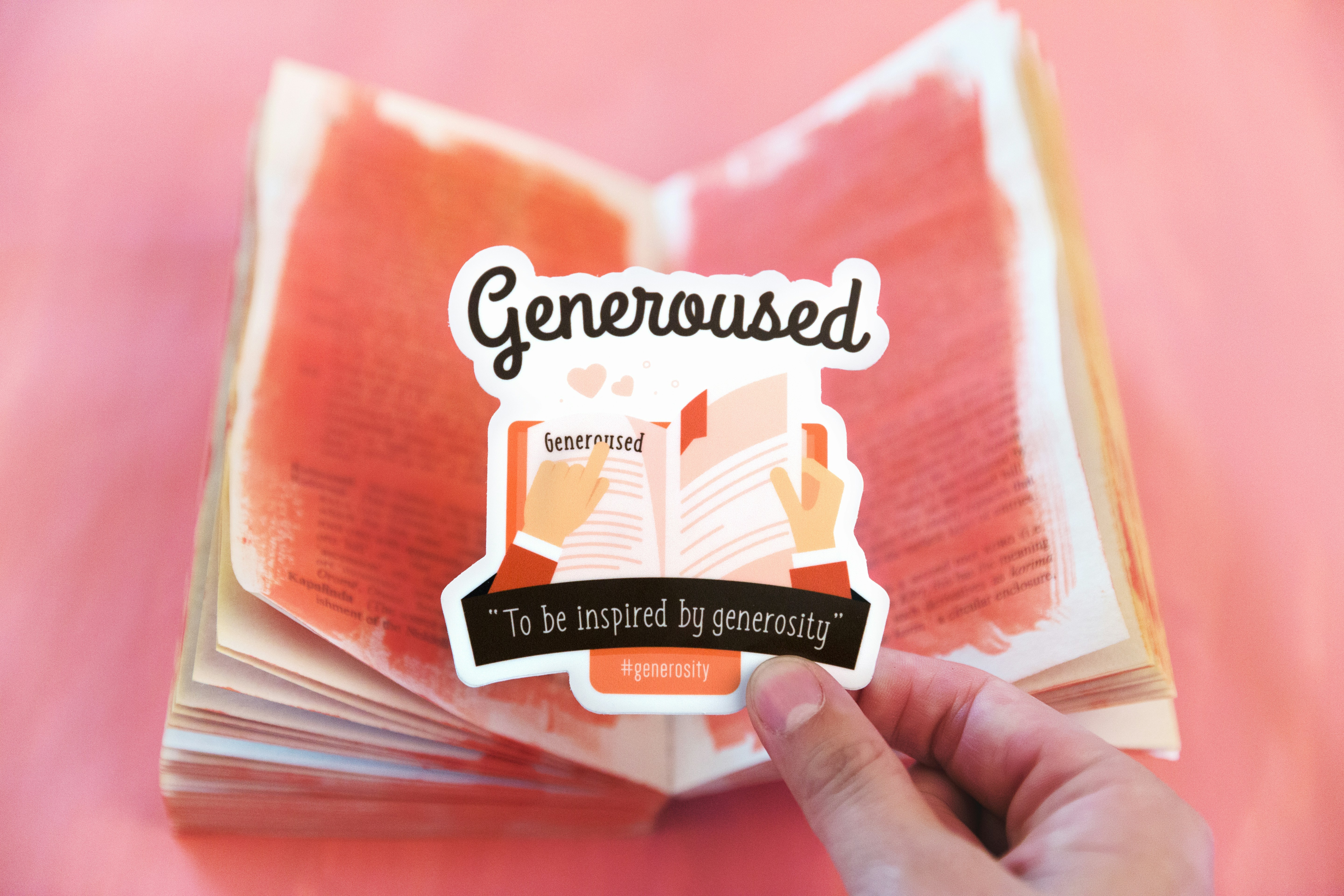


Introduction to Generosity and Its Impact
Generosity is a profound human quality that embodies the willingness to give to others without expecting anything in return. It manifests in various forms, ranging from monetary donations to acts of kindness, and plays a critical role in fostering interpersonal connections and community well-being. At its core, generosity is the act of selflessness, an essential element that reinforces the social fabric by promoting collaboration and support among individuals.
This blog post aims to explore the dual benefits of generosity, highlighting its positive impact not only on recipients but also on the givers themselves. Scientific research has shed light on the intricate psychological mechanisms underlying acts of giving, revealing how they can contribute to enhanced emotional well-being, improved mental health, and a greater sense of purpose and fulfillment for those who give. We will explore various studies and psychological theories that elucidate the motivations behind generosity and its ripple effects on individuals and communities.
The act of giving is often accompanied by a sense of joy and satisfaction, contributing to the overall happiness of the giver. Numerous studies suggest that engaging in generous behavior can reduce stress and increase feelings of contentment, ultimately leading to a more positive outlook on life. Furthermore, the impact of generosity extends beyond the immediate act; it fosters a culture of giving that inspires others to participate, creating a cycle of altruism that benefits society as a whole.
As we navigate through the complexities of human relationships and social interactions, it becomes evident that generosity is more than just an act of kindness; it is an essential aspect of human experience that enriches both the giver and the receiver. By examining the underlying science and psychology of generosity, we can gain a deeper understanding of its transformative power in our lives.
The Psychology Behind Generosity
Generosity is often regarded as an admirable trait, deeply ingrained in numerous cultures and societies worldwide. At its core, the psychology behind generosity can be understood through intrinsic motivations such as empathy and altruism. Empathy involves recognizing and responding to the feelings of others, leading individuals to offer help or support. Several psychological studies suggest that when people resonate with the emotional states of others, they are more likely to engage in acts of generosity.
Altruism, the selfless concern for the well-being of others, further solidifies the motivation for generosity. While some theories propose that altruism is a learned behavior, evidence indicates that humans possess an innate capacity for it. Research has shown that even young children exhibit altruistic behaviors, such as sharing toys or resources without expecting anything in return. These findings suggest that the psychology of giving may be hardwired into human behavior, indicating a deep-rooted evolutionary advantage in generosity.
Beyond individual impulses, social and cultural influences shape generous behaviors. Cultures that emphasize communal values and interconnectedness bolster the expectation and practice of giving. For example, in collectivist societies, acts of kindness are often celebrated, creating an environment where generosity flourishes. Furthermore, social networks play a crucial role, as individuals tend to mimic the generous behaviors of those around them. The psychological principle of social proof suggests that witnessing acts of kindness can inspire others to extend generosity, creating a ripple effect within communities.
Overall, understanding the psychological dimensions of generosity reveals the complex interplay between individual motivations and broader societal influences. Through empathy, altruism, and cultural reinforcement, the act of giving emerges not just as a personal choice but as a fundamental aspect of human connection and community building.
The Physical and Mental Health Benefits of Giving
Research indicates that acts of generosity not only enhance the lives of recipients but also offer substantial health benefits to the givers themselves. Engaging in kind acts has been associated with improved mental well-being, as it fosters a sense of purpose and fulfillment. Scientific studies have shown that individuals who regularly participate in charitable activities experience increased levels of happiness and satisfaction. This enhancement in mood can be attributed to the release of neurotransmitters, such as endorphins and oxytocin, which are often referred to as “feel-good” hormones.
Moreover, the physical health benefits of giving should not be overlooked. Engaging in altruistic behavior has been linked to lower levels of stress. Stress is a significant contributor to various health issues, including hypertension and cardiovascular disease. By reducing stress levels, acts of generosity can have a direct impact on lowering blood pressure. Research conducted by the University of California, Berkeley, revealed that individuals who volunteered regularly showed a significant reduction in their blood pressure compared to those who did not engage in such activities.
Additionally, giving can foster social connections, which are essential for maintaining mental health. Strong social ties provide emotional support, enabling individuals to cope more effectively with life’s challenges. This sense of community can lead to heightened feelings of belonging and reduce feelings of isolation and depression, particularly in older adults. The act of giving, when framed as a social interaction, can strengthen these bonds and contribute to a more resilient disposition.
In conclusion, the benefits of generosity extend beyond the immediate joy it brings to others; it plays a crucial role in enhancing the physical and mental health of the giver. Embracing a lifestyle of kindness can lead to improved emotional states, reduced stress levels, and better overall health, illustrating the profound connection between acts of giving and well-being. By understanding these benefits, individuals may be encouraged to engage in more acts of generosity, thereby enriching their own lives and those of those around them.
The Ripple Effect of Generosity
Generosity is often viewed as a selfless act, but its implications extend far beyond the immediate benefits to the recipient. The ripple effect of generosity illustrates how one individual’s kind actions can foster a wave of positive behavior throughout a community. When a person engages in an act of benevolence, the influence of that action can inspire others to follow suit, creating an environment where kindness and support flourish. This phenomenon can be understood through various examples and anecdotes.
For instance, consider a scenario in which one person pays for another’s coffee in a busy café. This seemingly minor act of kindness can lead to a series of similar gestures, often referred to as “paying it forward.” Patrons who witness the transaction may feel compelled to replicate the generosity, thereby perpetuating a cycle of goodwill. This spontaneous chain reaction not only uplifts individuals in the moment but also reinforces a culture of generosity, illustrating how interconnected human behaviors can have broader societal implications.
Research supports the notion that witnessing acts of generosity can activate altruistic sentiments within others. Studies demonstrate that individuals exposed to kind acts are more likely to engage in generous behaviors themselves. This engagement boosts community morale and strengthens social bonds. When a culture of generosity is established, it can address critical issues, such as food insecurity or environmental sustainability, as people mobilize collectively to support those in need.
Ultimately, the ripple effect of generosity generates a positive feedback loop, where the initial act of kindness not only impacts the immediate recipient but also inspires others to contribute to the common good. By recognizing the profound effects of our actions, we can foster communities where generosity becomes a shared value, thereby amplifying its benefits for all involved.
Generosity in Different Cultures and Societies
Generosity manifests in various forms across different cultures and societies, influenced by historical, religious, and social contexts. In many cultures, the act of giving is intertwined with spiritual beliefs and practices. For instance, in Christianity, the act of giving is emphasized through principles like tithing, where individuals contribute a portion of their earnings to support church activities and those in need. Similarly, in Islam, zakat, one of the five pillars, mandates that individuals donate a percentage of their wealth to assist those less fortunate, fostering a sense of community and responsibility.
In Asian cultures, generational practices often dictate acts of generosity. The concept of filial piety in various East Asian societies encourages individuals to honor their parents and elders, often through financial support or gifts of appreciation. In Japan, the practice of “omiyage,” where travelers bring back souvenirs for friends and family, reflects the cultural importance of acknowledging relationships and sharing one’s experiences with others. Furthermore, in cultures that prioritize collectivism, such as Indigenous communities, generosity reinforces social bonds and communal well-being, often through traditional potlatch ceremonies, where wealth is redistributed to enhance group solidarity.
Societal norms significantly shape how generosity is perceived and practiced. In many Western cultures, individualism often influences the approach to giving, leading to a focus on personal choice in charitable contributions. Health and wellness movements have led to a rise in practices such as “paying it forward,” where individuals commit to acts of kindness without expecting anything in return. This aligns with broader societal values that emphasize self-empowerment and community involvement.
Overall, while the expression and understanding of generosity can vary significantly from one culture to another, the underlying principles of altruism, social responsibility, and communal support remain universal. These diverse practices highlight the importance of generosity in strengthening the fabric of societies worldwide.
Technology and Modern Generosity: New Avenues for Giving
The advent of technology has significantly reshaped the landscape of generosity, providing new and innovative avenues for individuals to engage in philanthropy. In recent years, crowdfunding platforms have gained momentum, enabling people to support causes that resonate with them from the comfort of their own homes. Websites such as GoFundMe and Kickstarter not only empower individuals to raise funds for personal needs or creative projects but also foster a sense of community. This modern approach to giving encourages peer-to-peer support, allowing donors to connect more closely with recipients than traditional donation methods often permit.
Social media has also become a vital tool in promoting charitable causes, facilitating a rapid spread of information about various needs and initiatives. Campaigns like the Ice Bucket Challenge exemplify how viral content can mobilize thousands, turning an online movement into substantial financial support for research or humanitarian efforts. Additionally, platforms like Facebook and Instagram have integrated functionalities that enable users to donate directly to charities and social causes, raising awareness and simplifying the act of giving. The ease with which individuals can share and support causes amplifies the collective impact of online generosity.
However, while these technological advances offer tremendous potential for increased generosity, they also present specific challenges. The overwhelming number of campaigns vying for attention can lead to donor fatigue, where individuals may feel inundated by requests for support. Furthermore, the reliance on digital platforms requires a level of digital literacy that not all potential donors possess, which can create barriers to participation. Therefore, while technology has indeed broadened the horizons of generosity, it is essential to navigate these complexities carefully to maximize the impact of modern philanthropy.
Generosity: A Life Skill for Personal Growth
Generosity is often perceived as merely an altruistic act; however, it is fundamentally a life skill that contributes significantly to an individual’s personal growth. Embracing a generous mindset not only benefits others but also enhances the giver’s social skills and emotional intelligence. When one commits to acts of giving, whether through time, resources, or kindness, the practice cultivates deeper connections with others, nurtures empathy, and fosters a sense of belonging within the community.
 Don’t keep this gem to yourself! Imagine the ripple effect when your post shines brightly, reaching and inspiring the audience it was meant for. By sharing it, you’re not just spreading a message; you’re creating a wave of positivity and connection that could change someone’s day—or even their life. Let’s amplify its impact together—will you share it and let it sparkle in the spotlight?
Developing a habit of generosity catalyzes personal transformation. Engaging in generous acts encourages self-reflection, allowing individuals to assess their own needs and desires in contrast to the needs of others. This duality of perspective reinforces emotional intelligence, as individuals learn to navigate complex social interactions with compassion and understanding. Furthermore, these experiences build resilience and adaptability, qualities essential for personal and professional success.
To cultivate generosity in daily life, individuals can start by incorporating small, meaningful actions into their routines. This could involve volunteering at local charities, supporting a friend in need, or simply offering a helping hand to a neighbor. Additionally, practicing gratitude can amplify one’s sense of purpose, as recognizing the abundance in one’s life often propels individuals to share their resources and time with others. Setting specific goals for generosity—as simple as committing to one charitable act a week—can also facilitate the development of this invaluable skill.
Ultimately, incorporating generosity into daily life fosters a cycle of giving that benefits not only recipients but also enriches the giver’s life. By investing in acts of kindness and service, individuals can experience profound personal growth, leading to enhanced well-being and fulfillment.
Case Studies: Real-Life Examples of Generosity Making a Difference
The impact of generosity is evident in numerous real-life examples that highlight the transformative effects of giving. One notable case is that of a small community in Oregon, where a local organization called “Community Cares” was established to support low-income families. Through this initiative, community members came together to donate food, clothing, and educational supplies. The initiative not only provided essential resources to struggling families but also fostered a sense of camaraderie and support among residents, demonstrating how collective generosity can strengthen community bonds.
In another powerful example, a successful entrepreneur established a scholarship fund to support underprivileged students pursuing higher education. Named after a beloved teacher who had a profound influence on his life, this scholarship has enabled dozens of students to attend college who otherwise would not have had the financial means. The recipients of this generosity often speak of the profound impact of being given a chance, highlighting how the act of providing not only changes their lives but also inspires them to give back in the future.
Moreover, organizations like “Doctors Without Borders” exemplify generosity on a global scale. This group provides medical assistance in some of the world’s most impoverished regions, relying heavily on donations to sustain their crucial work. The stories of patients who receive life-saving treatment highlight the importance of generosity; these patients are often in desperate need of care that they would otherwise be unable to access. The ripple effects of such generous actions can lead to healthier communities and a profound sense of hope among individuals receiving aid.
Overall, these case studies illustrate the decisive role of generosity in creating positive change, showcasing the profound effects that thoughtful giving can have on both the giver and the recipient. The stories shared herein serve as reminders of our capacity for kindness and the tangible impact it can have on the lives of others.
Conclusion: The Lasting Impact of Generosity
Generosity serves as a fundamental pillar in the establishment of thriving communities and personal fulfillment. Throughout this blog, we have examined the numerous benefits that arise from acts of giving, both for the donor and the recipient. The practice of generosity generates a ripple effect, influencing not only the immediate interactions but also the broader societal framework in which we operate.
By actively participating in charitable initiatives, individuals often experience heightened levels of happiness and satisfaction. This sense of well-being highlights the intrinsic connection between giving and emotional well-being. Engaging in altruistic behaviors fosters a sense of connection and belonging, reinforcing the social fabric that binds communities together. Moreover, the recipients of generosity find themselves not only supported but inspired, as acts of kindness have the potential to motivate others to pay it forward, creating a virtuous cycle of giving.
We need to reflect on our own giving practices and explore ways to integrate generosity into our daily lives. The cultivation of a culture of giving can lead to profound changes, influencing future generations to embrace and value altruism. By instilling these principles early, we can shape a society where generosity is not only recognized but celebrated. Let us encourage our families, friends, and communities to prioritize acts of kindness, thereby reinforcing the understanding that generosity fosters deeper relationships and enhances collective well-being.
In conclusion, the lasting impact of generosity goes beyond mere transactions of time or resources; it is an investment in our shared humanity. As we recognize the importance of giving, let us commit to making it a fundamental aspect of our lives, ultimately enriching both ourselves and our communities.
Discover more from Unlock Happiness: Health + Wealth Mastery
Subscribe to get the latest posts sent to your email.