
Introduction to Creativity and Growth Mindset
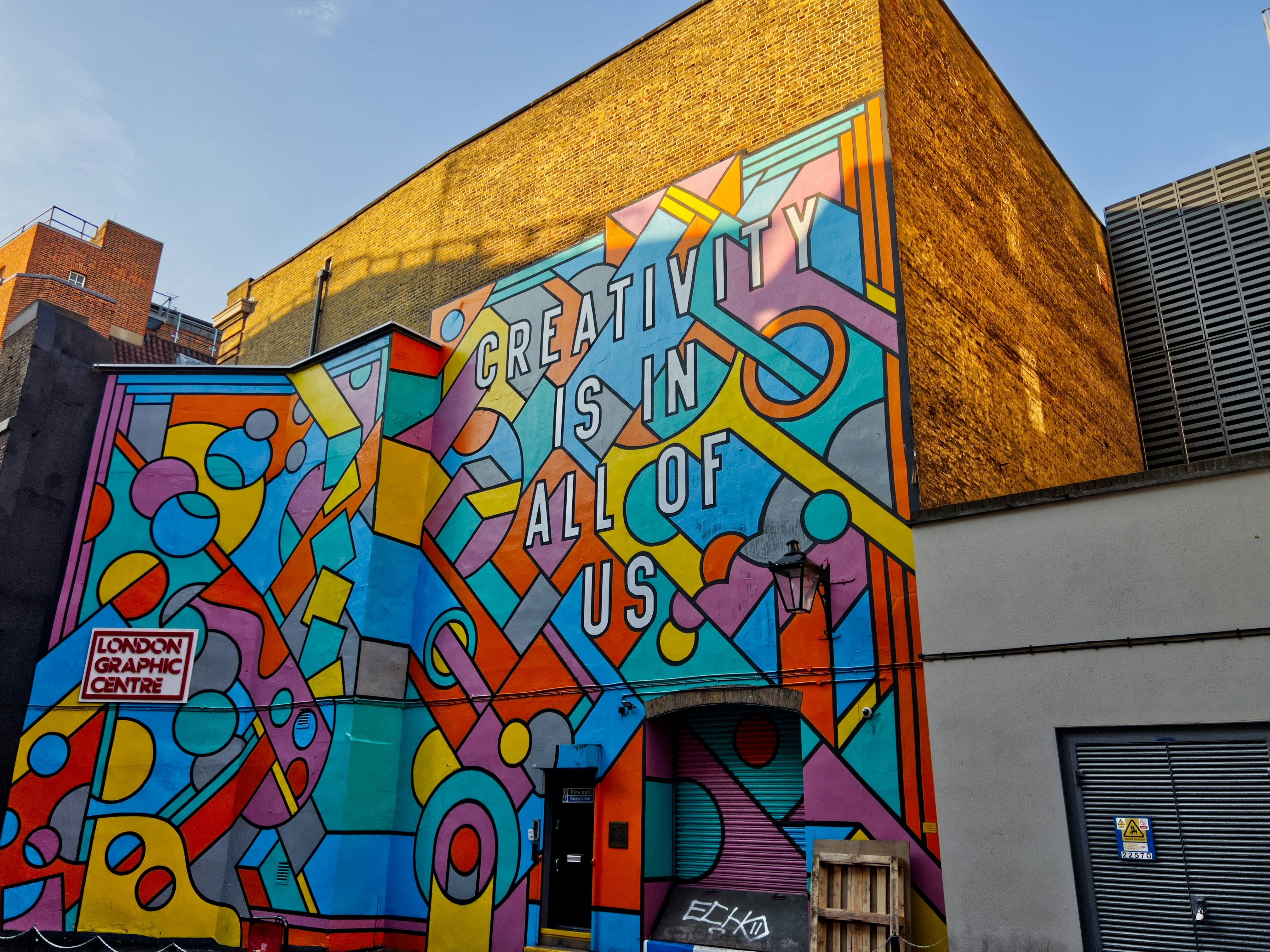
Creativity is a multifaceted construct that encompasses the ability to generate new ideas, approaches, and expressions. It is a core component in various artistic and design fields, enabling individuals to innovate, solve problems, and communicate emotion effectively. By exploring what creativity entails, we can gain a deeper understanding of its significance in enhancing artistic practices and design methodologies. Creativity transcends mere novelty; it involves the application of imagination, originality, and resourcefulness in creating works that resonate with others.
Central to the cultivation of creativity is the concept of a growth mindset, a term popularized by psychologist Carol Dweck. A growth mindset posits that abilities and intelligence can be developed through dedication and effort. In contrast to a fixed mindset, which holds that talent and intelligence are static traits, a growth mindset encourages individuals to embrace challenges, learn from criticism, and persist in the face of setbacks. This shift in perspective is significant for artists and designers. By adopting a growth mindset, creatives can unlock their potential, pushing the boundaries of their imagination and enhancing their capacity for innovation.
The importance of fostering creativity in artistic and design fields cannot be overstated. A creative approach can lead to breakthrough ideas and unique solutions that differentiate an artist or designer within a competitive landscape. Moreover, creativity is essential in addressing complex problems and navigating the dynamic nature of these industries. As such, integrating a growth mindset into the creative process empowers individuals to view failures as opportunities for learning and improvisation, ultimately leading to improved skill development and a heightened capacity for creative expression.
Understanding the Growth Mindset
The concept of a growth mindset, as proposed by psychologist Carol Dweck, centers on the idea that abilities and intelligence can be developed through dedication, effort, and learning from experiences. This perspective contrasts sharply with a fixed mindset, where individuals perceive their talents and intelligence as static traits that cannot be significantly altered. Those with a growth mindset approach challenges with an eagerness to improve and tend to view setbacks as opportunities for growth rather than insurmountable obstacles.
In the context of artists and designers, embracing a growth mindset can be transformative. For instance, when faced with critiques or failure, individuals with a growth mindset see these experiences as valuable lessons, prompting them to reflect, adapt, and enhance their skills. This resilience fosters creativity, as it encourages experimentation and risk-taking, both of which are vital to artistic expression. By perceiving failure not as a definitive end but as a stepping stone toward mastery, artists and designers can cultivate their craft more effectively.
Furthermore, adopting a growth mindset facilitates a more positive attitude towards collaboration and feedback within the creative community. Artists and designers who value collaborative efforts recognize that sharing ideas can lead to unexpected insights and innovation. They understand that constructive criticism is not a personal affront but rather a valuable tool for artistic growth. This outlook not only nurtures personal development but also strengthens the overall creative ecosystem, encouraging a culture where individuals inspire and uplift one another.
Ultimately, recognizing the differences between a growth mindset and a fixed mindset equips artists and designers with the tools needed to navigate the complexities of their creative journeys. By fostering this mindset, they position themselves to embrace challenges and fully harness their artistic potential.
The Benefits of a Growth Mindset for Artists and Designers
Embracing a growth mindset is crucial for artists and designers seeking to elevate their creative endeavors. At its core, a growth mindset fosters resilience, encouraging individuals to view challenges as opportunities for growth rather than insurmountable obstacles. This resilience allows artists to rebound from setbacks, which is particularly essential in creative fields where rejection and critiques are common. For instance, renowned artist Vincent van Gogh faced numerous rejections before gaining recognition. His ability to persist despite these hardships exemplifies the power of a resilient attitude.
Moreover, a growth mindset significantly improves problem-solving skills, a critical element in the creative process. Artists and designers often encounter unforeseen challenges that require innovative solutions. By adopting a growth mindset, individuals become more adept at navigating these complexities, as they freely explore different approaches and alternatives. For example, contemporary designer and innovator Jonathan Adler communicates that his creative process involves experimentation and learning from unexpected outcomes. This adaptive approach highlights how a growth mindset can foster greater creativity and innovation.
Additionally, artists and designers with a growth mindset exhibit a greater openness to feedback, a key aspect in refining their work. Constructive criticism is invaluable in the creative field, where external perspectives can provide insights that one may overlook. Successful illustrator Lisa Congdon shares how she actively seeks feedback from peers, which has helped her further develop her unique artistic voice. By engaging positively with criticism, artists and designers can evolve their creative expressions, pushing the boundaries of their creativity.
Practices to Cultivate a Growth Mindset
For artists and designers, nurturing a growth mindset can significantly enhance creativity and innovation. By adopting specific practices, they can develop resilience and a love for learning that ultimately leads to personal and professional growth. Here are some actionable strategies to cultivate this mindset.
First and foremost, setting achievable goals is essential. Artists and designers should break down larger projects into smaller, manageable tasks. This approach enables incremental progress, which can lead to a sense of accomplishment and motivation. It is advisable to set both short-term and long-term objectives, ensuring each goal is specific, measurable, attainable, relevant, and time-bound (SMART). This technique not only fosters motivation but also encourages adaptability as one navigates through creative processes.
Embracing failure is another critical practice. Artists and designers should understand that setbacks are an inevitable part of the creative process. Rather than viewing failures as definitive endpoints, they can be reframed as opportunities for learning and growth. Analyzing what went wrong and exploring different approaches can yield valuable insights that contribute to future success.
Seeking constructive criticism is also vital. Engaging with peers, mentors, or critique groups can provide diverse perspectives that enhance creative work. It is essential to approach feedback with an open mind, recognizing that it is an opportunity for improvement rather than a personal attack. By actively seeking out advice, artists and designers can refine their skills and broaden their understanding of their craft.
Finally, engaging in continuous learning should be a lifelong commitment. Exploring new techniques, studying the work of other artists, or taking courses can stimulate creativity and enhance skill sets. Additionally, staying informed about industry trends and advancements in design technology can provide fresh ideas and inspiration.
By implementing these strategies, artists and designers can effectively cultivate a growth mindset, ensuring that their creative journey is both fulfilling and successful.
Overcoming Common Creative Blocks
Creativity is an essential component for artists and designers, yet it is not uncommon to encounter various creative blocks that can hinder the flow of ideas and inspiration. Among the most prevalent barriers are fear of failure, self-doubt, and perfectionism, which can stifle the creative spirit. Recognizing and effectively addressing these challenges is crucial for fostering a productive and innovative mindset.
Fear of failure often looms large in the minds of creatives. This apprehension can stem from various sources, including internal pressures to achieve success or external expectations from peers and audiences. When individuals allow this fear to dominate their thoughts, it can lead to a paralysis of creativity, causing them to refrain from taking risks that may be essential for their artistic growth. To combat this fear, it is helpful to reframe failures as opportunities for learning rather than endpoints. Embracing the idea that mistakes are a natural part of the creative process can encourage experimentation and relieve some of the pressure.
Self-doubt is another significant barrier that can impact an artist’s or designer’s ability to create freely. It can manifest as a nagging voice that undermines confidence in one’s skills and ideas. To overcome self-doubt, it is beneficial for creatives to engage in positive self-talk and reflection on their past successes, honing in on their unique strengths. Surrounding oneself with a supportive community can also provide encouragement and validation, thereby reinforcing one’s belief in one’s own abilities.
Perfectionism, while often viewed as a driving force for excellence, can unexpectedly inhibit creativity. The constant pursuit of flawlessness may lead to excessive self-criticism and a reluctance to take on new projects. Shifting the focus from achieving perfection to valuing progress can liberate artists and designers from the chains of unrealistic standards. Setting incremental goals and celebrating small accomplishments fosters a more balanced creative journey.
Inspiration from Successful Creatives
Throughout history, numerous artists and designers have exemplified the transformative power of a growth mindset, showcasing that creativity flourishes when approached with resilience and adaptability. One notable example is the renowned painter Vincent van Gogh, whose relentless pursuit of improvement despite facing immense personal challenges underscores the essence of a growth mindset. Van Gogh’s iconic works, characterized by bold colors and expressive brushwork, were the result of his willingness to learn from each creative endeavor, continuously evolving his style and technique. His belief that artistry could be developed through hard work and persistence serves as a profound inspiration for aspiring creatives.
Similarly, the world-renowned fashion designer Coco Chanel demonstrated a commitment to growth that reshaped the fashion industry. Chanel faced significant obstacles, including her humble beginnings and societal norms that marginalized women’s contributions to the design world. However, her innovative vision and adaptive approach to fashion propelled her to success. By embracing change and fostering ideas that challenged the status quo, Chanel established a legacy characterized by classic luxury and empowered creativity. Her story is a testament to the potential that arises from a mindset oriented towards growth.
Moreover, contemporary designers like architect Frank Gehry embody the principles of a growth mindset through their experimental approaches to design. Gehry’s willingness to take risks and learn from feedback has resulted in groundbreaking structures that defy traditional norms. His creative process, marked by an iterative design methodology and an openness to new ideas, exemplifies how embracing failures can lead to extraordinary successes. These stories highlight the pivotal role a growth mindset plays in the creative journey, emphasizing that perseverance, learning, and adaptation are key components in realizing artistic ambitions.
 Don’t keep this gem to yourself! Imagine the ripple effect when your post shines brightly, reaching and inspiring the audience it was meant for. By sharing it, you’re not just spreading a message; you’re creating a wave of positivity and connection that could change someone’s day—or even their life. Let’s amplify its impact together—will you share it and let it sparkle in the spotlight?
The Role of Community and Collaboration
In the field of art and design, community and collaboration play pivotal roles in nurturing a growth mindset. The sharing of experiences within a community fosters an environment where artists and designers can learn from one another, thereby expanding their knowledge and skill set. Engaging with peers allows individuals to recognize their potential and overcome creative blocks, as they are exposed to diverse perspectives and techniques.
Critique sessions are particularly beneficial in this regard. These forums provide opportunities for constructive feedback, enabling artists to reflect on their work and identify areas for improvement. By receiving insights from fellow creatives, artists can develop a more nuanced understanding of their practice. Such interactions not only promote personal growth but also enhance overall creativity, as understanding different viewpoints can inspire new approaches to problem-solving.
Collaboration on projects further amplifies these benefits. Working together on a creative endeavor allows artists to amalgamate their unique talents and ideas, resulting in innovative outcomes that may not have been achievable individually. Collaborative projects encourage risk-taking, as artists often feel empowered to experiment without the fear of judgment in a supportive team environment. This collective effort reinforces the notion that creativity flourishes in shared spaces where individuals feel valued and understood.
Moreover, a supportive network serves as a lifeline during challenging times, providing encouragement and motivation. When artists and designers connect with like-minded individuals, they cultivate relationships that foster resilience, ultimately enhancing their growth mindset. By prioritizing community and collaboration, creative professionals can navigate their artistic journeys more effectively, enriching both their personal and professional lives.
Integrating a Growth Mindset into Daily Practice
To cultivate creativity successfully, artists and designers can significantly benefit from incorporating a growth mindset into their daily routines. A growth mindset encourages individuals to view challenges as opportunities for learning and improvement, fostering resilience and persistence. One practical approach to embedding this mindset into creative practice is through establishing a consistent daily routine. By dedicating specific time slots for creativity, regardless of prior outcomes, artists can normalize the process of exploration and experimentation. Such a ritual not only enhances motivation but also diminishes the anxiety often associated with the creative process.
Moreover, artists should focus on the importance of self-talk and the narratives they construct around their work. It’s crucial to transition from negative self-criticism to constructive feedback. Instead of saying, “I can’t do this,” one might reframe the statement: “I am learning how to approach this differently.” This shift not only improves one’s perspective on challenges but also encourages a proactive approach to problem-solving. By adopting phrases that highlight growth and effort, artists can cultivate an inner dialogue that promotes perseverance.
Additionally, surrounding oneself with a supportive and constructive community can foster this mindset. Engaging in discussions with peers and sharing creative experiences provides fresh perspectives and encouragement. Furthermore, setting realistic and incremental goals can guide progress while celebrating small achievements along the way. This practice reinforces the connection between effort and success, showing that improvement is often the result of sustained dedication. Through these various strategies, integrating a growth mindset into daily artistic practice not only enhances creativity but also reshapes the way artists perceive their journey and growth within their craft.
Conclusion: Embracing a Lifelong Creative Journey
As we conclude our discussion on cultivating creativity within the context of a growth mindset, it is essential to reiterate the central themes that have emerged. The journey of an artist or designer is not merely confined to the attainment of skill or the realization of a singular vision; rather, it is a continuous evolution marked by exploration, learning, and personal growth. Artists and designers alike must recognize that their creative capacities are not fixed attributes, but instead can be developed over time through dedication and an openness to new experiences.
To foster this growth mindset, individuals should actively seek learning opportunities, whether through formal education, workshops, or collaborative projects with peers. Engaging with diverse perspectives and techniques can spark new ideas, pushing creative boundaries and enriching one’s artistic practice. Additionally, self-reflection plays a pivotal role; regularly assessing one’s own work and mindset can lead to profound insights that drive further improvement.
The creative journey is inherently filled with challenges and setbacks, but adopting a growth-oriented perspective allows artists and designers to view these as essential components of their development. By recognizing that failures and obstacles are not indicative of one’s worth or potential, individuals can cultivate resilience and a sense of perseverance that propels them forward.
Ultimately, embracing a lifelong creative journey is an invitation to view art and design as dynamic processes rather than static endpoints. With a commitment to continual learning and personal evolution, artists will find themselves not only enhancing their skills but also uncovering deeper layers of creativity. This journey, fueled by a growth mindset, will foster not only individual fulfillment but also contribute richly to the cultural tapestry of our communities and societies.

Discover more from Unlock Happiness: Health + Wealth Mastery
Subscribe to get the latest posts sent to your email.