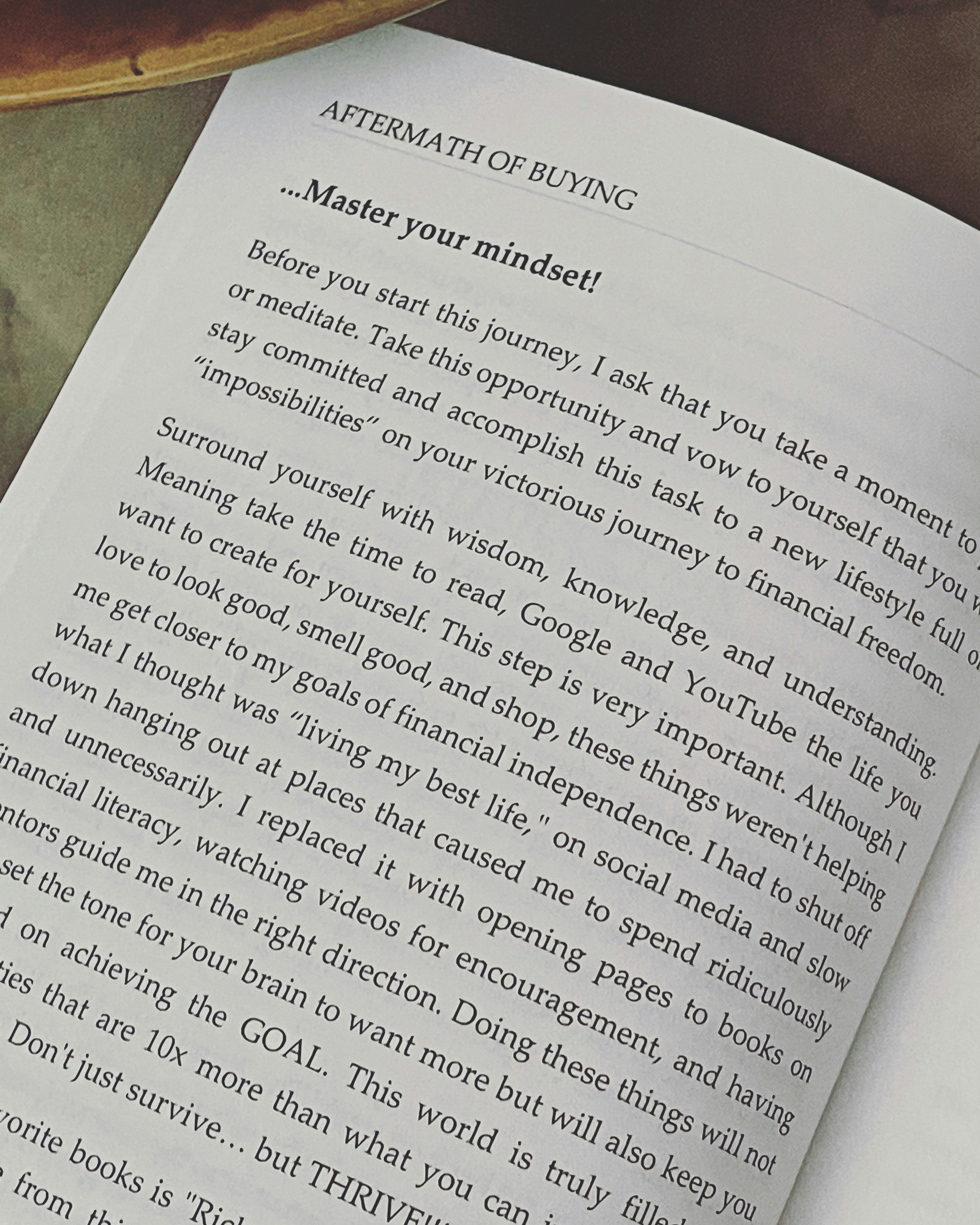


Introduction to Limiting Beliefs
Limiting beliefs are those internal convictions that constrain personal growth and impede the realization of one’s full potential. They often stem from past experiences, societal conditioning, or negative self-perception. These beliefs can manifest in various forms, such as the assumption that one lacks the necessary skills to succeed, the idea that failures define one’s identity, or the notion that achievement is reserved for a select few. As these beliefs take root, they create a psychological barrier that restricts individuals from pursuing opportunities or taking risks, thereby stifling their progress.
The impact of limiting beliefs can be pervasive. For instance, someone convinced they are not capable of advancing in their career may shy away from seeking promotions or professional development opportunities. This fear of failure and self-doubt often leads to a self-fulfilling prophecy, where the individual remains stagnant due to their own convictions rather than external circumstances. The result is a cycle that perpetuates fear and insecurity, hindering personal growth and success.
In contrast, the concept of a growth mindset offers a transformative approach to overcoming these detrimental beliefs. Coined by psychologist Carol Dweck, a growth mindset embodies the belief that abilities and intelligence can be developed through effort, perseverance, and learning. This perspective encourages individuals to view challenges as opportunities for growth rather than insurmountable obstacles. By fostering a growth mindset, individuals can begin to dismantle the confines of limiting beliefs, empowering themselves to embrace new challenges and pursue their goals with renewed vigor.
Understanding the nature of limiting beliefs is essential for anyone seeking personal development. Recognizing these restrictions is the first step towards adopting a growth mindset, which serves as a potent antidote to the obstacles posed by self-imposed limitations.
Understanding the Growth Mindset
The concept of a growth mindset, popularized by psychologist Carol Dweck, revolves around the belief that abilities and intelligence can be developed through dedication and hard work. This stands in stark contrast to a fixed mindset, where individuals view their talents as innate and unchangeable. Recognizing the difference between these mindsets is crucial in understanding how they affect personal development and resilience.
A growth mindset is characterized by a willingness to learn from challenges and setbacks, seeing them as opportunities for growth rather than insurmountable obstacles. Individuals with this mindset are more likely to embrace difficult tasks, as they understand that effort is a pathway to mastery. Such an attitude fosters resilience, allowing one to bounce back from failures more effectively, thereby enhancing one’s ability to adapt to changing circumstances.
In contrast, those with a fixed mindset tend to shy away from challenges, fearing that any failure might reinforce their belief in their limitations. This avoidance can lead to stagnation, as they are unwilling to take risks that may result in setbacks. Furthermore, individuals with a fixed mindset may struggle with feedback, perceiving constructive criticism as a personal attack rather than a chance to learn and grow.
Embracing a growth mindset not only benefits individual resilience but also contributes to overall life satisfaction. Those who adopt this perspective often experience greater motivation and a more profound feeling of fulfillment as they pursue their goals. By shifting to a growth-oriented approach, individuals can break free from the confines of their limiting beliefs, enabling them to uncover and reach their full potential in various aspects of life.
Identifying Your Limiting Beliefs
Self-awareness is a critical aspect of personal development, particularly when it comes to overcoming limiting beliefs. These beliefs often originate from past experiences, societal conditioning, or negative self-talk and can significantly hinder potential and growth. Therefore, the first step in this journey involves acknowledging and identifying these constraints. One effective strategy is to engage in reflective journaling. By writing down thoughts and feelings about personal capabilities or barriers, individuals can begin to uncover patterns that reveal limiting beliefs. This practice not only provides insight but also allows an opportunity for cognitive restructuring.
Another valuable approach is to seek feedback from peers or mentors. Engaging in discussions focused on personal experiences can illuminate blind spots that may not be evident in self-reflection. For instance, asking questions such as, “What do you think are my strengths?” or “Are there areas where you perceive I hold back?” can provide a fresh perspective. Moreover, mindfulness practices, such as meditation or deep-breathing exercises, can cultivate a heightened state of awareness, allowing individuals to observe their thoughts without judgment, making it easier to identify limiting beliefs.
Additionally, monitoring internal dialogue plays a pivotal role in recognizing these beliefs. Individuals should pay attention to their self-talk, as negative narratives often signal the presence of limiting beliefs. Phrases like “I am not good enough” or “I can’t change” suggest a mindset that needs reevaluation. By consciously challenging these thoughts and replacing them with positive affirmations, one can begin to dismantle the barriers that hinder growth. Through sustained self-reflection, the identification of limiting beliefs becomes clearer, paving the way for transformative change and the adoption of a growth mindset.
Challenging and Reframing Limiting Beliefs
Limiting beliefs can significantly hinder personal growth and development. To overcome these mental barriers, it is essential to challenge their validity and actively reframe them. One effective technique involves questioning the beliefs themselves. Begin by identifying a specific limiting belief you hold, such as “I am not good enough to succeed in my career.” Once identified, ask yourself questions like, “What evidence do I have to support this belief?” and “Are there instances where I succeeded despite feeling inadequate?” This process of self-inquiry helps to reveal the often unfounded nature of such thoughts.
Another key strategy involves exploring counter-evidence that contradicts your limiting beliefs. For example, if the belief is that failure is unacceptable, consider past experiences where failure led to valuable lessons or eventual success. Writing these experiences down can serve as a physical reminder of your ability to overcome challenges, reinforcing a more positive mindset over time. This systematic examination of beliefs creates room for growth by fostering a more realistic perspective on your abilities and potential outcomes.
Additionally, practical exercises can assist in reframing negative thought patterns. One effective exercise is the “Belief Diary,” where you regularly document your limiting beliefs and then actively reframe them using positive affirmations. For instance, transform “I will never be able to learn this skill” into “I am learning and improving every day.” Consistency in this practice can gradually reshape your thought processes, allowing for a more adaptive mindset.
By committing to these techniques, individuals can dismantle their limiting beliefs and replace them with empowering thoughts. This shift not only promotes resilience but also encourages a growth mindset that fosters continuous development and a more fulfilling life.
Adopting a Growth Mindset in Daily Life
Incorporating a growth mindset into your daily life can transform the way you approach various situations and enhance personal development. A pivotal strategy in this endeavour involves setting realistic and achievable goals. By establishing specific short-term objectives, you can create a road map that aligns with your long-term aspirations. Breaking larger goals into smaller, manageable tasks not only makes them less overwhelming but also allows you to celebrate incremental successes, reinforcing your commitment to growth.
Another key component of fostering a growth mindset is actively seeking feedback from peers, mentors, or even self-assessment. Constructive criticism serves as a valuable tool for improvement, highlighting areas where you can develop your skills further. Embracing feedback, rather than viewing it as a setback, positions you to learn and adapt continually. Moreover, focusing on the process rather than solely the outcome can shift your perspective, enabling you to appreciate the journey of learning and growth.
Viewing challenges as opportunities is integral to nurturing a growth mindset. When faced with obstacles, taking a moment to reframe the situation can foster resilience. Rather than perceiving difficulties as insurmountable barriers, approach them as chances to learn new skills, solve problems, and cultivate perseverance. By adopting this frame of mind, you transform challenges into stepping stones for personal and professional development.
Finally, surrounding yourself with individuals who embody a growth mentality can further reinforce your commitment to this mindset. Engage in discussions with those who encourage growth, innovation, and openness to new ideas. Such an environment not only nurtures your growth mindset but also propels you to adopt similar behaviours and attitudes. Implementing these strategies consistently can aid in overcoming limiting beliefs and developing a robust growth mindset.
The Role of Perseverance and Resilience
Perseverance and resilience are essential elements that contribute to the development of a growth mindset. These attributes enable individuals to confront challenges head-on, embrace failures as learning opportunities, and maintain a steadfast commitment to their goals. Many success stories highlight how the power of perseverance has helped individuals overcome significant obstacles, illustrating its integral role in achieving personal and professional growth.
For instance, consider the journey of Thomas Edison, whose unwavering determination led to the invention of the electric light bulb after thousands of failed attempts. Edison’s experiences exemplify how persistence can yield transformative results. His belief that each failure brought him one step closer to success exemplifies the resilience necessary for a growth mindset. Recognizing setbacks as a natural part of the learning process fosters an atmosphere where individuals can thrive, rather than retreating in the face of adversity.
Moreover, resilience involves the ability to adapt to changing circumstances and recover from difficulties. This quality is vital in both academic and professional settings, where challenges may arise unexpectedly. Individuals who cultivate resilience learn to navigate uncertainties, allowing them to respond constructively to difficulties rather than succumbing to them. This shift in perspective not only enhances problem-solving skills but also strengthens one’s inner resolve, paving the way for continuous personal development.
In essence, the cultivation of perseverance and resilience is fundamental to fostering a growth mindset. It equips individuals with the tools necessary to tackle obstacles, encourages a positive outlook on failure, and reinforces the belief that growth is possible despite setbacks. By embracing these qualities, individuals can break through limiting beliefs and unlock their true potential. This journey is not only about overcoming challenges but also about realizing that the process of striving for success, regardless of the outcome, is an invaluable aspect of personal growth.
Coping with Failure and Setbacks
Failure and setbacks are inherent components of any worthwhile endeavor. Individuals who aspire to achieve their goals often encounter obstacles that can lead to discouragement and frustration. However, understanding that failure is not the end but rather a vital part of the learning process is essential in cultivating a growth mindset. Embracing the inevitability of setbacks allows one to reframe experiences and adopt a proactive approach to personal and professional development.
When faced with failure, it is crucial to analyze the situation objectively. Reflecting on the circumstances surrounding a setback can provide invaluable insights for future attempts. By identifying specific missteps and understanding their impact, individuals can glean lessons that contribute to their growth. This reflective practice enables one to approach subsequent challenges with newfound knowledge and resilience, thus fostering an optimistic outlook.
A growth mindset, characterized by the belief that abilities can be developed through dedication and hard work, encourages individuals to view failures as opportunities for improvement rather than insurmountable obstacles. This perspective shift is instrumental in coping with stress and disappointment. Instead of succumbing to negative emotions, individuals can cultivate inner strength and determination, often leading to innovative solutions and renewed motivation.
Moreover, surrounding oneself with supportive peers can further enhance one’s ability to cope with setbacks. Engaging with like-minded individuals who share a growth mindset can provide encouragement, alternative viewpoints, and shared experiences, thereby reinforcing resilience. Networking and collaborating with others can help to normalize the experience of failure, transforming it into a collective learning journey rather than an isolating hardship.
In conclusion, coping with failure and setbacks is a fundamental aspect of developing a growth mindset. By viewing challenges as opportunities for learning and growth, individuals can overcome limiting beliefs and continue to strive toward their aspirations with confidence.
Building a Supportive Environment
Creating and nurturing a supportive environment is a fundamental step toward fostering a growth mindset. Surrounding oneself with individuals who hold a positive outlook can significantly influence one’s beliefs and behaviors, especially in overcoming limiting beliefs. The people we engage with daily impact our thought processes and can either motivate us to push boundaries or reinforce self-imposed restrictions.
 Don’t keep this gem to yourself! Imagine the ripple effect when your post shines brightly, reaching and inspiring the audience it was meant for. By sharing it, you’re not just spreading a message; you’re creating a wave of positivity and connection that could change someone’s day—or even their life. Let’s amplify its impact together—will you share it and let it sparkle in the spotlight?
To cultivate such an environment, it is essential to build relationships with individuals who encourage learning and embrace challenges. Start by identifying friends, family members, and colleagues who exemplify a growth mindset. These individuals typically view failures as opportunities for learning rather than setbacks, and they actively seek feedback and improvement. By engaging with this type of community, one can benefit from shared experiences and wisdom, which can help illuminate personal insights and strategies for overcoming obstacles.
An effective way to establish this supportive network is through open communication. Regular discussions about personal goals, aspirations, and challenges can create a safe space for honest feedback and advice. This openness allows members of the group to hold each other accountable, challenge limiting beliefs, and celebrate progress and successes. Additionally, consider expanding your network by participating in workshops, seminars, or online forums that discuss growth and personal development, thus connecting with like-minded individuals.
Moreover, it is crucial to minimize interactions with negative influences. Identify those who perpetuate limiting beliefs or discourage ambition. Reducing exposure to such negativity can provide the mental space necessary for personal growth and resilience. Ultimately, by building and maintaining relationships with supportive individuals, you create an environment rich in encouragement and motivation—a critical element in overcoming limiting beliefs and nurturing a growth mindset.
Conclusion: Your Journey to a Growth Mindset
As we reflect on the concepts presented throughout this blog post, it becomes evident that adopting a growth mindset is pivotal for overcoming limiting beliefs. Limiting beliefs often hinder personal development and prevent individuals from reaching their full potential. Embracing a growth mindset paves the way to challenge these negative perceptions, encouraging individuals to view obstacles as opportunities for learning and growth.
Significantly, the journey to cultivating a growth mindset requires intentional effort and patience. It involves recognizing and confronting those ingrained beliefs that have held us back. Through practical strategies such as reframing thoughts, seeking feedback, and fostering resilience, individuals can gradually reshape their mindset. When we choose to view challenges as stepping stones rather than barriers, we foster an environment conducive to continuous improvement and innovation.
Moreover, it is essential to surround oneself with supportive individuals who encourage personal growth. Engaging with a community that prioritizes shared learning can enhance motivation and inspire a collective journey toward overcoming limiting beliefs. By leveraging the power of collaboration, individuals can exchange experiences and techniques that have proven effective in their own growth journeys.
In conclusion, embracing a growth mindset is not just a fleeting endeavor but a lifelong pursuit. As we embark on this transformation, it is crucial to remain patient and persistent. Change takes time, but with consistent effort and a commitment to self-improvement, overcoming limiting beliefs is not only possible but achievable. Each small step taken towards fostering a growth mindset ultimately contributes to a larger journey of personal development and fulfillment.
Discover more from Unlock Happiness: Health + Wealth Mastery
Subscribe to get the latest posts sent to your email.